

Key Takeaways
Risk-Based Auto Loan Pricing
When you apply for a car loan, lenders don't offer everyone the same interest rate. Instead, they review your credit history and score to estimate how likely you are to repay the debt on time. Borrowers seen as lower risk receive lower rates; those seen as higher risk are charged more to offset the lender's potential losses.
This practice is formally called risk-based pricing. It is governed in part by the Equal Credit Opportunity Act and the Fair Credit Reporting Act, which require lenders to notify borrowers when adverse credit information affected the terms offered.
How Lenders Use Your Credit Profile
When you apply for an auto loan, the lender pulls your credit report and score to build a picture of your financial reliability. They are essentially asking one question: based on how you've managed debt in the past, how likely are you to repay this loan?
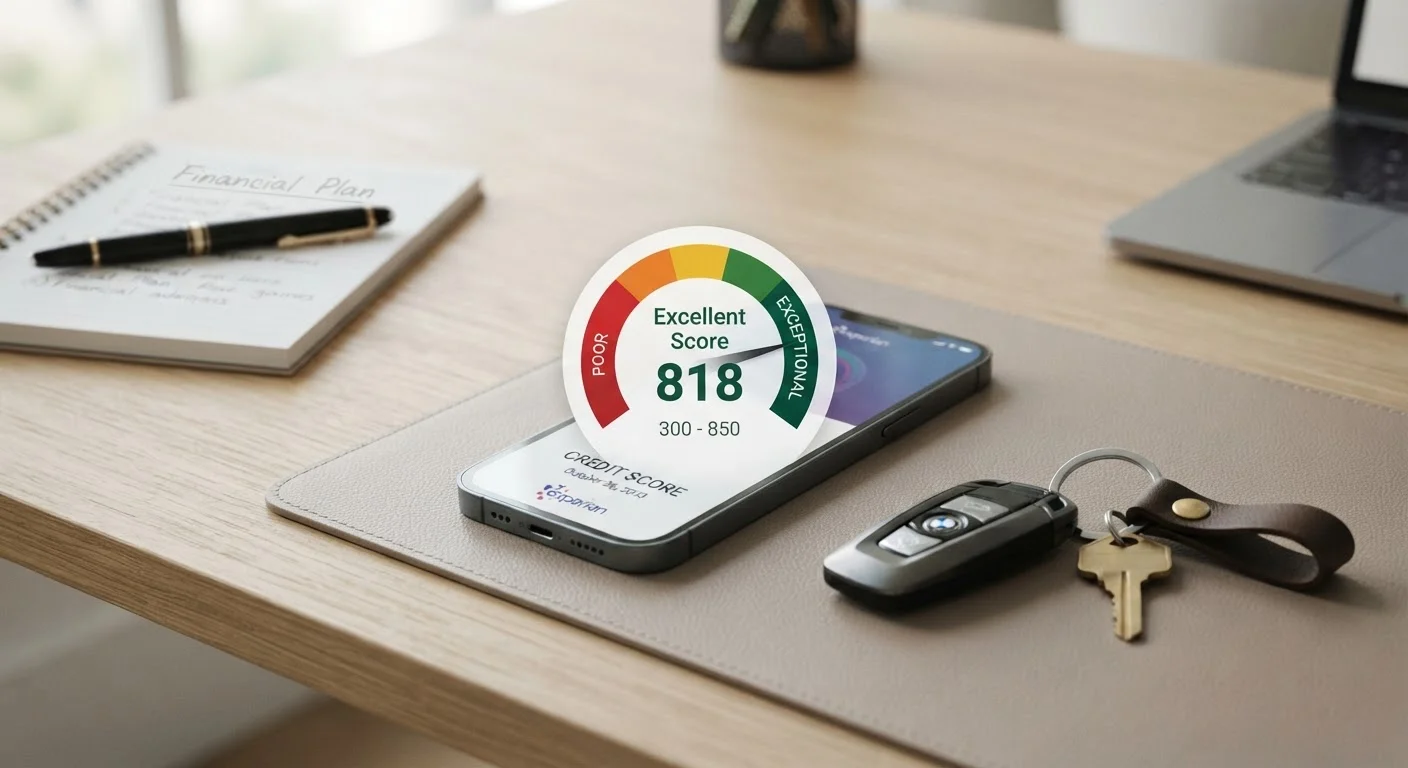
Your credit score - most commonly a FICO score, ranging from 300 to 850 - summarizes that history into a single number. Lenders use it, along with the full credit report, to assign your application to a risk tier. Each tier carries a corresponding interest rate range. The higher your score, the lower the tier's rate tends to be.
The key factors feeding into your score include: payment history (the largest component), amounts owed relative to available credit, length of credit history, types of credit accounts, and recent new credit activity. A single missed payment from years ago may matter less than a pattern of late payments across multiple accounts.
Credit Score vs. Credit Report: Not the Same Thing
Your credit report is the detailed record of your borrowing history - accounts, payment history, balances, and inquiries. Your credit score is a numerical summary calculated from that report. Lenders typically review both: the score for quick risk-tier placement, and the report for context such as recent delinquencies or high utilization on specific accounts.
Why the Rate Difference Matters More Than It Looks
A few percentage points may sound minor, but on a multi-year loan, the dollar impact is significant. Consider a $28,000 vehicle financed over 60 months. At a 5% annual percentage rate (APR), total interest paid would be roughly $3,700. At 10% APR, that figure climbs to approximately $7,600 - more than double - for the exact same vehicle and loan length.
This is why understanding your credit standing before walking into a lender's office matters. If your score is lower than you expected, you may be accepting a rate that costs you thousands more than necessary. See our guide to dealership vs. direct lending for a deeper look at how loan sources affect the rate you're offered.
~$3,900+
Extra interest on a 5-point rate difference
On a $28,000 auto loan over 60 months, a 5-percentage-point APR difference can add roughly $3,900 or more in total interest paid over the life of the loan.
300-850
FICO score range used by most lenders
Most auto lenders reference FICO scores, which range from 300 (very poor) to 850 (exceptional), to place borrowers into risk-based pricing tiers.
What You Can Do Before You Apply
You are entitled to free copies of your credit reports from each of the three major bureaus annually through AnnualCreditReport.com. Review them carefully for errors - incorrect account statuses, payments marked late that weren't, or accounts that don't belong to you. Disputing and correcting errors can result in a meaningful score improvement before you apply.
Beyond errors, consider your credit utilization ratio - how much of your available revolving credit you're using. Keeping balances low relative to credit limits generally supports a stronger score. Your debt-to-income ratio also matters to lenders, even if it doesn't directly affect your score.
Check Your Report Before You Shop
Pull your credit reports from all three bureaus before applying for any auto loan. Errors are more common than many consumers expect, and correcting one can improve your score before a lender ever sees it. Dispute inaccuracies directly with the bureau that is reporting them - the process is free and federally protected.
When you are ready to shop for a loan, submit applications to multiple lenders - banks, credit unions, and online lenders - within a compressed timeframe. This lets you compare real rate offers with minimal scoring impact, since rate-shopping inquiries are typically grouped together by scoring models.
Keep in mind that your credit score affects more than your loan rate. As noted in our article on what shapes your car insurance premium, many insurers also factor in credit-based insurance scores when setting rates in states where it is permitted.
This article is for general informational purposes only and does not constitute personalized financial or lending advice. Credit scoring models and lender practices vary. Consult a qualified financial professional for guidance specific to your situation.