

Key Takeaways
Summary
22 items · 1.5-3 hours
Why an Audit Comes Before Unpacking
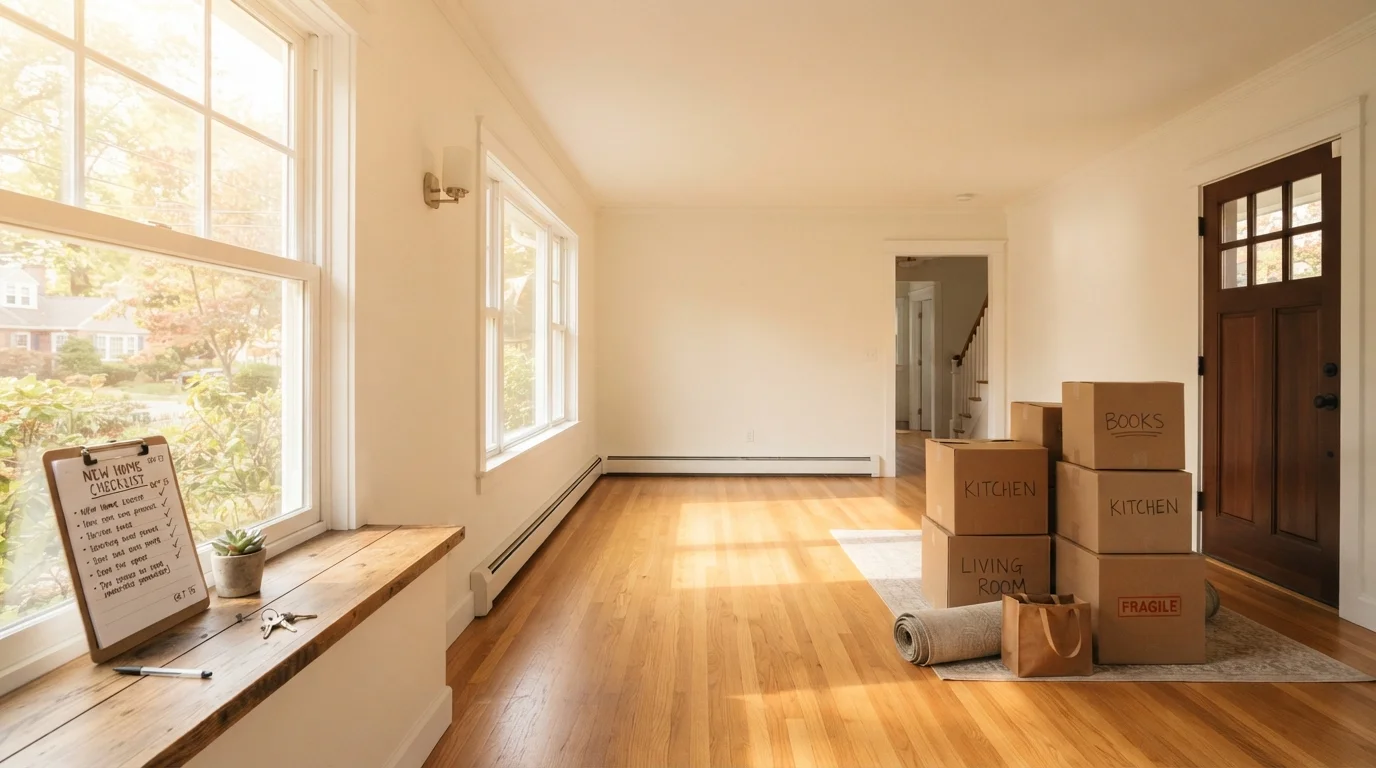
The instinct when you get the keys is to start moving furniture and stacking boxes in the right rooms. Resist it - at least for a few hours. An empty home is the easiest home to inspect. Walls are visible, floors are unobstructed, and nothing is in the way of the electrical panel, water shutoff, or HVAC closet.
Running a structured maintenance audit before you settle in gives you a realistic picture of what the home actually needs. Inspection reports from the sale process are helpful, but they're snapshots - often months old by move-in day. Conditions change. Sellers sometimes make repairs quickly without addressing root causes. And inspections don't cover everything.
Whether you're a first-time homeowner or a seasoned mover, this checklist helps you walk through the most critical systems and spaces with purpose. It's not about being anxious - it's about being prepared. Once you know what you're working with, you can prioritize fixes, schedule professionals where needed, and move in with confidence.
If you're renting, some of these items fall under landlord responsibility. Our guide on how maintenance responsibilities differ between renters and owners can help clarify who handles what before you start making calls.
Safety Systems
Plumbing
HVAC and Ventilation
Exterior and Roof
Interior Surfaces and Structure
Locks and Access
What to Document and What to Escalate
As you work through the audit, take photos and short notes for every area you check - even areas that look fine. This creates a dated baseline record of the home's condition at move-in, which is valuable for insurance claims, security deposit disputes, and planning future maintenance projects.
Some Findings Require a Licensed Professional
If your audit turns up anything involving the gas supply, main electrical panel, structural movement, sewage backup, or active mold growth, stop and call a qualified professional before proceeding. These issues carry serious safety risks and in many cases require permitted work by a licensed contractor. Do not attempt to diagnose or repair these systems yourself based on a checklist.
Flag anything involving gas lines, the main electrical panel, structural cracks, sewage backups, or visible mold for immediate professional evaluation. These are not DIY-first situations. Contact a licensed plumber, electrician, or contractor before attempting any repair on these systems yourself. Many localities also require permits for certain types of work - always verify local requirements.
For everything else, sort findings into three piles: fix now, fix within 90 days, and monitor over time. That gives you a practical action list rather than an overwhelming to-do wall. Once you've completed this audit, you'll be well-positioned to move into a quarterly maintenance routine - see our seasonal home maintenance guide for a full year-round schedule. And if you're planning a tech walkthrough as well, our room-by-room tech audit pairs well with this checklist.
Don't Skip the Lock Change
Rekeying or replacing exterior door locks is one of the most overlooked move-in steps. Previous owners, tenants, contractors, neighbors, or real estate agents may have copies of keys you're unaware of. This is a low-cost task with significant security implications - prioritize it in the first 24 hours.
Inspection Reports Are Not a Substitute for This Audit
Home inspection reports are valuable but are typically completed weeks or months before your move-in date. Conditions can change during that window - especially if the home was vacant, underwent rushed repairs, or experienced weather events. Always verify key systems in person at the time you take possession.