

Key Takeaways
Deferred Home Maintenance
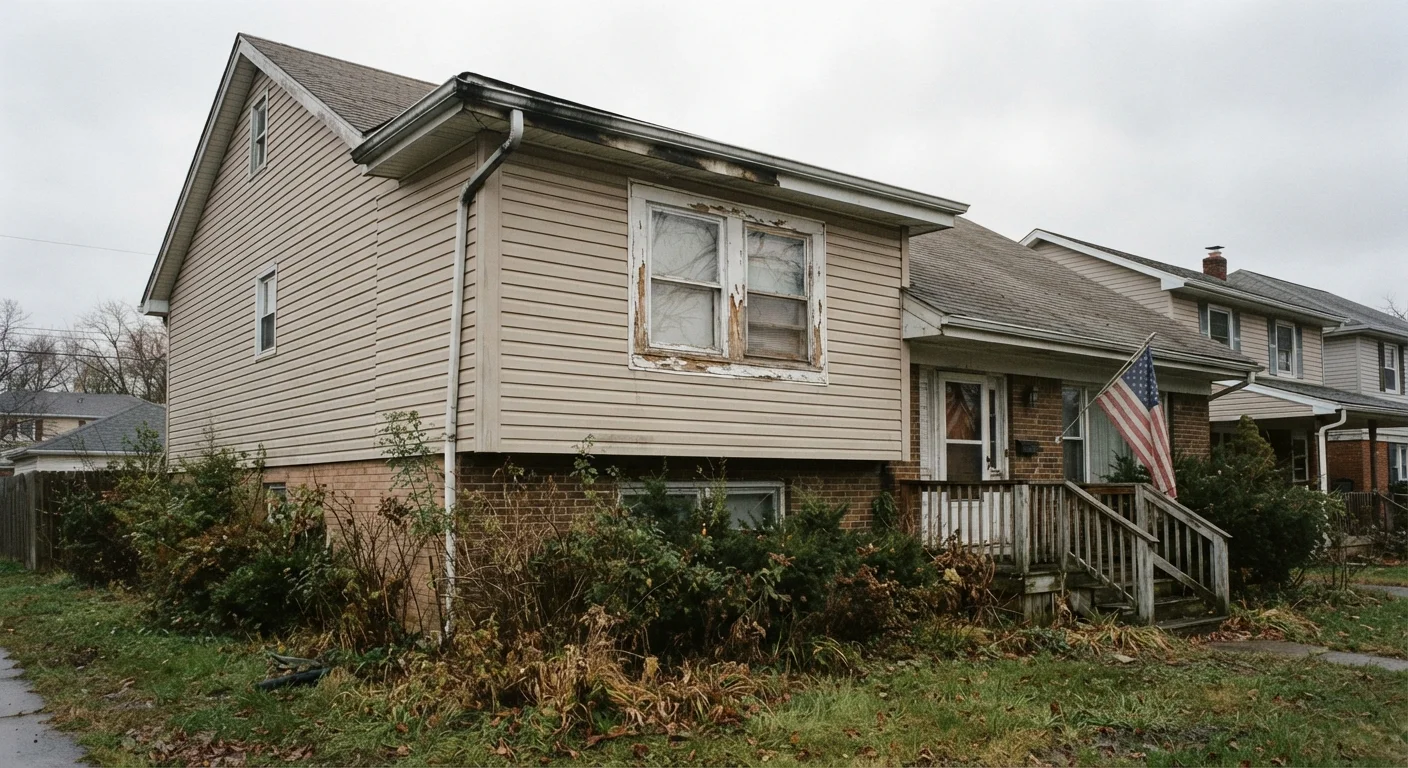
Deferred home maintenance refers to routine upkeep tasks that a homeowner or renter knowingly postpones - often to save time or money in the short term. Rather than eliminating the cost, deferral typically increases it. Small, inexpensive problems become larger, more complex ones when left unaddressed.
In real estate appraisal, deferred maintenance is formally defined as needed repairs that have been postponed, and it directly reduces a property's appraised value.
Why Putting It Off Rarely Saves You Money
The appeal of deferring a maintenance task is understandable: the problem seems minor, money is tight, or there simply isn't time. But for most home systems, postponement doesn't pause the problem - it accelerates it.
Consider a small gap in window caulking. Left alone through one wet season, it allows moisture behind the siding. That moisture softens the sheathing, begins to rot the framing, and eventually creates conditions for mold. The original fix - a tube of caulk and thirty minutes - costs under $20. The downstream repair can run into the thousands. This pattern repeats across virtually every home system: roofing, plumbing, HVAC, gutters, and foundation drainage.
The dynamic is similar to carrying a credit card balance - like the trap explained in why minimum payments cost more than you'd expect, the longer you defer addressing the underlying issue, the more the total cost grows.
Walk Your Home Twice a Year
Set a calendar reminder each spring and fall to do a simple walk-through - inside and out - looking for caulk gaps, gutter debris, signs of water staining, and anything that has changed since your last check. Catching issues early, when they are still cosmetic or minor, is the single highest-return maintenance habit available to any homeowner.
The Compounding Effect: How Small Problems Become Big Ones
Home systems don't fail in isolation. A clogged gutter doesn't just overflow - it directs water against the fascia, into the soffit, toward the foundation, and eventually into the basement. One neglected component stresses adjacent ones.
1-2%
Recommended annual home maintenance budget
A widely referenced industry rule of thumb suggests setting aside 1-2% of a home's value each year for routine upkeep and repairs.
~35%
Of homeowners have significant deferred maintenance
Surveys by home inspection organizations have found that a substantial share of homes have at least one deferred maintenance issue affecting structural or mechanical systems.
10x+
Cost multiplier for ignored water damage
Industry restoration professionals note that water damage repair costs can multiply dramatically when a small leak is left unaddressed for months rather than repaired promptly.
The compounding effect is especially pronounced with water, heat, and pests. A minor roof leak that enters the attic space goes unnoticed for months; by the time it's visible on a ceiling, insulation may already be saturated and structural decking damaged. Pest entry points work similarly - a small gap becomes a colony becomes structural damage.
This is why seasonal maintenance checks are so effective: they catch problems at the inflection point, before cascading begins.
High-Risk Areas Homeowners Most Often Neglect
Some areas of the home are particularly prone to costly neglect because their problems develop out of sight:
- Gutters and downspouts: Debris buildup redirects water toward the foundation. Cleaning them twice a year is among the highest-return maintenance habits.
- HVAC filters and servicing: A dirty filter forces the system to work harder, shortening its lifespan and raising energy bills. Filter changes cost a few dollars; HVAC replacement runs into the thousands.
- Caulking and weatherstripping: These seal the building envelope against moisture and air. Degraded seals raise heating and cooling costs and invite water infiltration.
- Roof flashing and shingles: Failed flashing around chimneys, vents, or skylights is one of the leading causes of interior water damage.
- Sump pumps and drainage: Tested only when it's already raining hard, a failed sump pump can flood a basement before help arrives.
Pre-winter inspections are a practical way to audit several of these systems before cold weather amplifies any vulnerabilities.
Renters Have Maintenance Obligations Too
Deferred maintenance isn't only a homeowner concern. Renters are typically responsible for promptly reporting issues that could worsen if ignored. Failing to report a leaking pipe or broken window seal may shift liability for resulting damage. For a clear look at how upkeep responsibilities are divided, see how maintenance responsibilities differ between renters and owners.
Planning Ahead: Building a Maintenance Budget
The most reliable way to avoid deferred maintenance is to treat upkeep as a predictable, recurring expense rather than an emergency. A common starting point is budgeting 1-2% of your home's value annually for maintenance - a $300,000 home, by this rule, warrants $3,000-$6,000 per year set aside for upkeep.
That figure may seem high until you inventory what it covers: HVAC servicing, gutter cleaning, roof inspections, caulk and weatherstrip replacement, plumbing checks, and minor repairs before they escalate. Homeowners who fund these proactively rarely face the large, unexpected repair bills that derail household budgets.
For a fuller framework on managing these costs alongside broader financial priorities, the saving and debt hub covers approaches to building the financial cushion that makes routine maintenance feasible. And if you're weighing which home improvement projects to prioritize, addressing deferred maintenance almost always delivers a better return than cosmetic upgrades on top of a neglected foundation.
This article is for general informational and educational purposes only. Repair costs and maintenance needs vary significantly by home age, region, and condition. Consult a licensed contractor or home inspector for assessments specific to your property.