

Key Takeaways
Emergency Fund
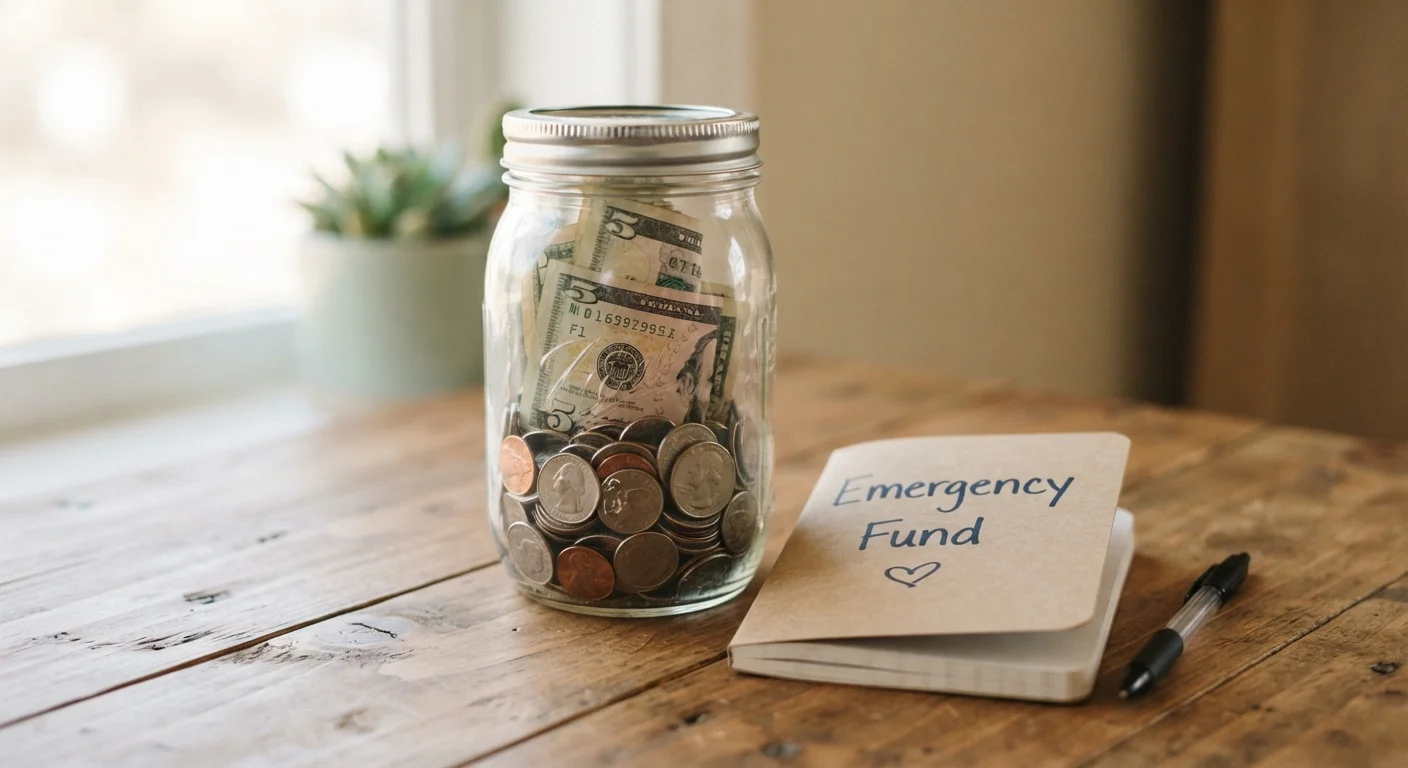
An emergency fund is a dedicated pool of savings set aside to cover unexpected, essential expenses - such as a job loss, medical bill, or urgent car repair - without needing to borrow money or disrupt other financial goals. It acts as a financial buffer between you and life's inevitable surprises. Most financial educators recommend keeping this money separate from your everyday spending accounts and in an easily accessible form.
Emergency funds are typically held in liquid accounts such as high-yield savings accounts or money market accounts, where funds can be accessed quickly without penalty or market-related loss of value.
What an Emergency Fund Actually Does
An emergency fund isn't a vague savings goal - it has a specific, protective job. When an unplanned expense hits, the fund steps in as a first line of defense, allowing you to pay the bill without reaching for a credit card, dipping into retirement savings, or taking out a personal loan. That matters because each of those alternatives carries a cost: interest charges, tax penalties, or long-term disruption to your financial trajectory.
Think of it less as a luxury and more as a foundational layer that makes everything else - budgeting, investing, debt repayment - more stable and predictable. Without it, even a modest setback can cascade into a larger financial problem.
~37%
Americans who couldn't cover a $400 emergency without borrowing
According to the Federal Reserve's Report on the Economic Well-Being of U.S. Households, a significant share of Americans lack the liquid savings to handle a modest unexpected expense.
3-6 months
Recommended emergency fund coverage of essential expenses
This range is a standard guideline cited by financial educators and institutions, though individual circumstances significantly affect the appropriate target.
$500-$1,000
Common starter emergency fund target for beginners
Financial educators often recommend this initial milestone for people with no existing emergency reserve, as it covers most routine unexpected expenses.
How Much Is Enough - and Why the Range Exists
The widely cited guideline of three to six months of essential living expenses is a starting point, not a one-size-fits-all prescription. Essential expenses typically include housing payments, utilities, groceries, transportation, and minimum debt payments - not discretionary spending.
The right target varies by situation. Someone with highly stable employment, no dependents, and low fixed monthly costs may be comfortable at the lower end of that range. A freelancer, a single-income household, or someone in an industry prone to layoffs may want to build toward nine to twelve months. The goal isn't to hit an arbitrary number - it's to ensure you can cover your actual obligations while a crisis is resolved.
If you're just starting out and a full three-month fund feels distant, a smaller starter fund of $500 to $1,000 is a meaningful first milestone. It won't cover everything, but it handles most common, smaller emergencies and keeps you from accumulating new debt. For a structured path from zero to a fully funded reserve, see Building Your First Emergency Fund from Zero.
Balancing an Emergency Fund With Debt Repayment
One of the most common tensions in personal finance is whether to build savings or aggressively pay down debt first. The honest answer: in most cases, doing some of both at the same time makes sense.
Here's the reasoning. If you direct every spare dollar toward debt and leave yourself with no savings buffer, the next unexpected expense forces you to take on new debt - often at a high interest rate - undoing progress you've already made. A small emergency fund breaks that cycle.
A Practical Starting Point for Both Goals
Consider making a minimum payment on debt while directing a fixed amount - even $25 or $50 per paycheck - toward a dedicated emergency savings account. Once you've built a small buffer, you can redirect more aggressively toward high-interest balances. This approach keeps both priorities moving forward without leaving you exposed.
Once high-interest debt is paid off, the equation shifts: more cash flow becomes available to build the fund to its full target. At that point, you're also better positioned to consider longer-term financial goals. The Before You Invest financial readiness checklist can help you assess whether your emergency savings and debt situation are in a place that supports moving toward investing.
Keeping the Fund Accessible - and Protected
Where you keep the money matters as much as how much you save. The core requirement is liquidity - the ability to access funds quickly, without a waiting period, penalty, or the risk that the balance has dropped due to market volatility.
High-yield savings accounts and money market accounts are widely used for this purpose. They offer modest interest that helps the fund keep pace with inflation to some degree, while keeping the money fully accessible. Investment accounts - including brokerage or retirement accounts - are not appropriate for emergency savings; market downturns can coincide exactly with the moments you most need the funds.
Equally important is keeping the emergency fund separate from your everyday checking account. When the money is in the same account you use for groceries and bills, the psychological barrier to spending it is low. A dedicated account creates both mental and physical separation. If you're thinking about how emergency savings fits alongside other financial goals with different time horizons, structuring money for different timelines offers useful context.
This article is for general informational and educational purposes only and does not constitute personalized financial advice. Consult a qualified financial professional for guidance specific to your situation.