

Key Takeaways
Why Small Spaces Aren't Automatically a Problem
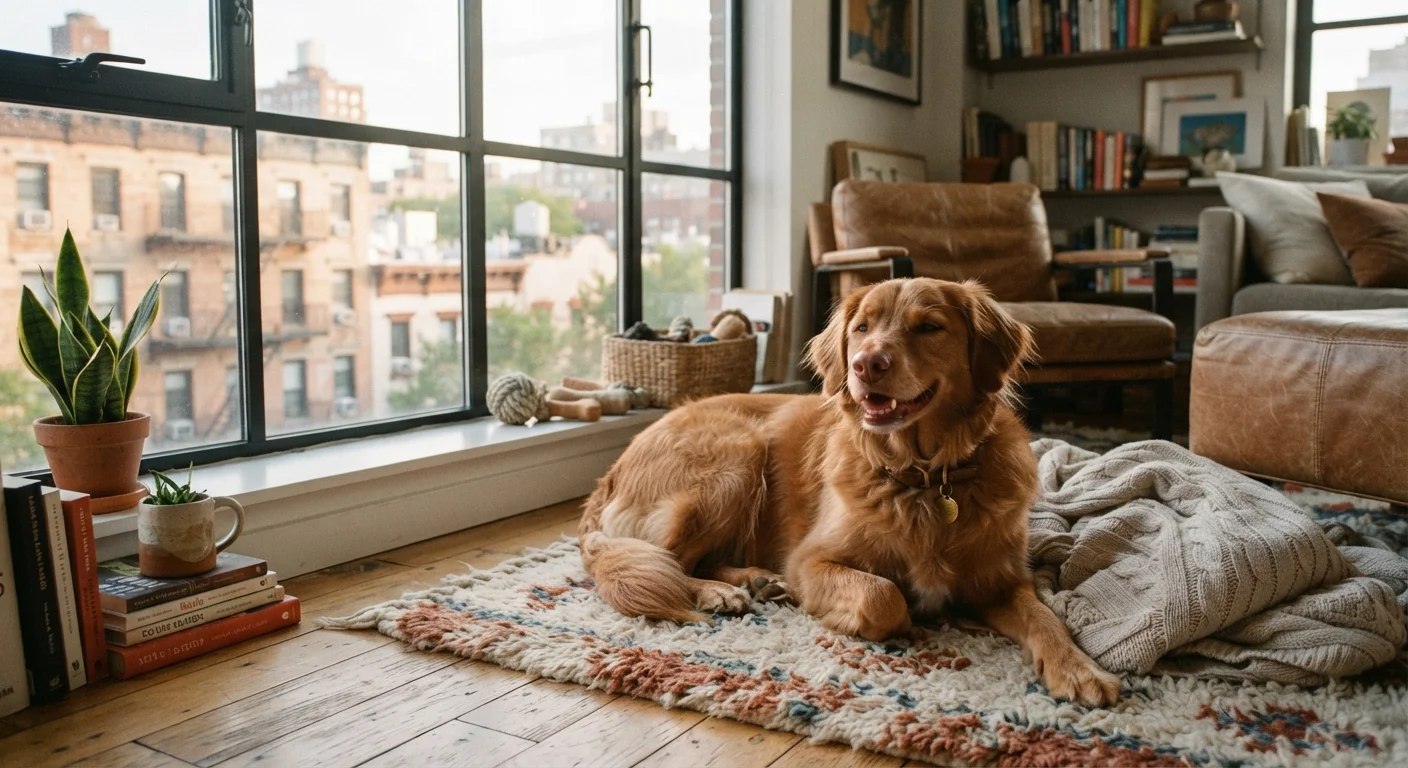
A common assumption is that dogs need a yard to be happy. In reality, a dog's wellbeing depends far more on the quality of interaction, exercise, and mental stimulation they receive than on the square footage of their living space. Many low-to-moderate energy dogs adapt well to apartment life - provided their owners build habits that meet those core needs consistently.
That said, apartment living does require more intentionality. Without a backyard as a buffer, you become the primary source of every outdoor break, social experience, and enrichment opportunity. If you're still weighing whether dog ownership fits your situation, our guide on choosing the right pet for your lifestyle walks through how to match a pet's needs to your actual living situation.
The Habits That Actually Make It Work
Successful apartment dog ownership comes down to repeatable daily habits - not one-time setup decisions. The practices below reflect guidance consistent with veterinary behavior science and responsible ownership principles.
Establish a fixed daily schedule for walks, meals, and rest.
Dogs are creatures of habit, and predictable routines significantly reduce anxiety and unwanted behaviors. In an apartment, where a dog cannot self-regulate outdoor access, a reliable schedule substitutes for the freedom a yard provides. Consistent timing also helps with housetraining and reduces accidents.
Prioritize mental enrichment alongside physical exercise.
Physical walks are necessary but not sufficient. Mental stimulation - through puzzle feeders, scent games, and training sessions - tires a dog's brain in ways that walking alone does not. A mentally engaged dog is less likely to develop destructive habits born of boredom.
Train a reliable 'place' or 'settle' cue for calm behavior indoors.
Teaching a dog to go to a specific mat or bed on cue gives you a management tool that's especially valuable in small spaces. It reduces jumping, door-rushing, and reactive behavior when guests arrive or the doorbell rings.
Use short, frequent outdoor trips rather than relying on one long outing.
Multiple shorter walks distributed across the day better match a dog's natural bathroom rhythm and provide regular sensory stimulation. Long gaps between outings can contribute to accidents, restlessness, and frustration.
Create a designated rest space your dog associates with calm and safety.
Without a yard to decompress in, apartment dogs need a defined indoor space that signals downtime. A consistent resting spot - whether a crate, a bed, or a corner - supports emotional regulation and gives the dog somewhere to retreat when overstimulated.
Quick Actions You Can Start Today
You don't need to overhaul everything at once. A few targeted changes can meaningfully reduce stress for your dog and friction in your day-to-day routine.
Leash Manners Pay Off in Apartment Buildings
A dog that walks calmly on leash and greets strangers politely makes hallways, elevators, and lobby spaces far less stressful for everyone. Practicing loose-leash walking and calm greetings as part of your regular routine - not just outdoors - reduces friction in shared spaces and builds goodwill with neighbors.
Managing Noise, Space, and Neighbor Relations
Excessive barking is one of the most common complaints in apartment buildings - and it's usually a symptom of unmet needs rather than a character flaw. Dogs that bark persistently when left alone may be experiencing separation anxiety, boredom, or insufficient exercise. Addressing the root cause is more effective than relying on corrections alone.
When Barking May Signal a Deeper Issue
Persistent barking when alone can be a sign of separation anxiety, which is a recognized behavioral condition rather than disobedience. If your dog regularly shows distress at departures - panting, pacing, destructive behavior, or elimination indoors - consult a veterinarian or certified applied animal behaviorist. General enrichment and routine adjustments may not be sufficient on their own for dogs with moderate to severe separation anxiety.
Designating a specific area in your apartment for your dog - a crate, mat, or corner with familiar bedding - gives them a predictable anchor point. This matters more in small spaces, where the absence of defined zones can leave dogs feeling unsettled. For more on how structured spaces affect dog behavior, see our coverage of crate training versus free-roaming.
Finally, lean on your building's community where possible. Knowing your neighbors, being upfront about having a dog, and addressing concerns proactively goes a long way toward maintaining a cooperative environment for everyone.
“The single most important factor in a dog's quality of life isn't the size of the home - it's the consistency and quality of the bond and care provided by the owner.”
— American Veterinary Medical Association, Professional veterinary organization representing over 99,500 veterinarians in the United States
This article is for general informational purposes only and does not constitute veterinary or behavioral advice. Consult a licensed veterinarian or certified animal behaviorist if your dog is experiencing persistent anxiety, aggression, or other behavioral concerns.