

Key Takeaways
Why First-Time Pet Owners Consistently Underestimate Costs
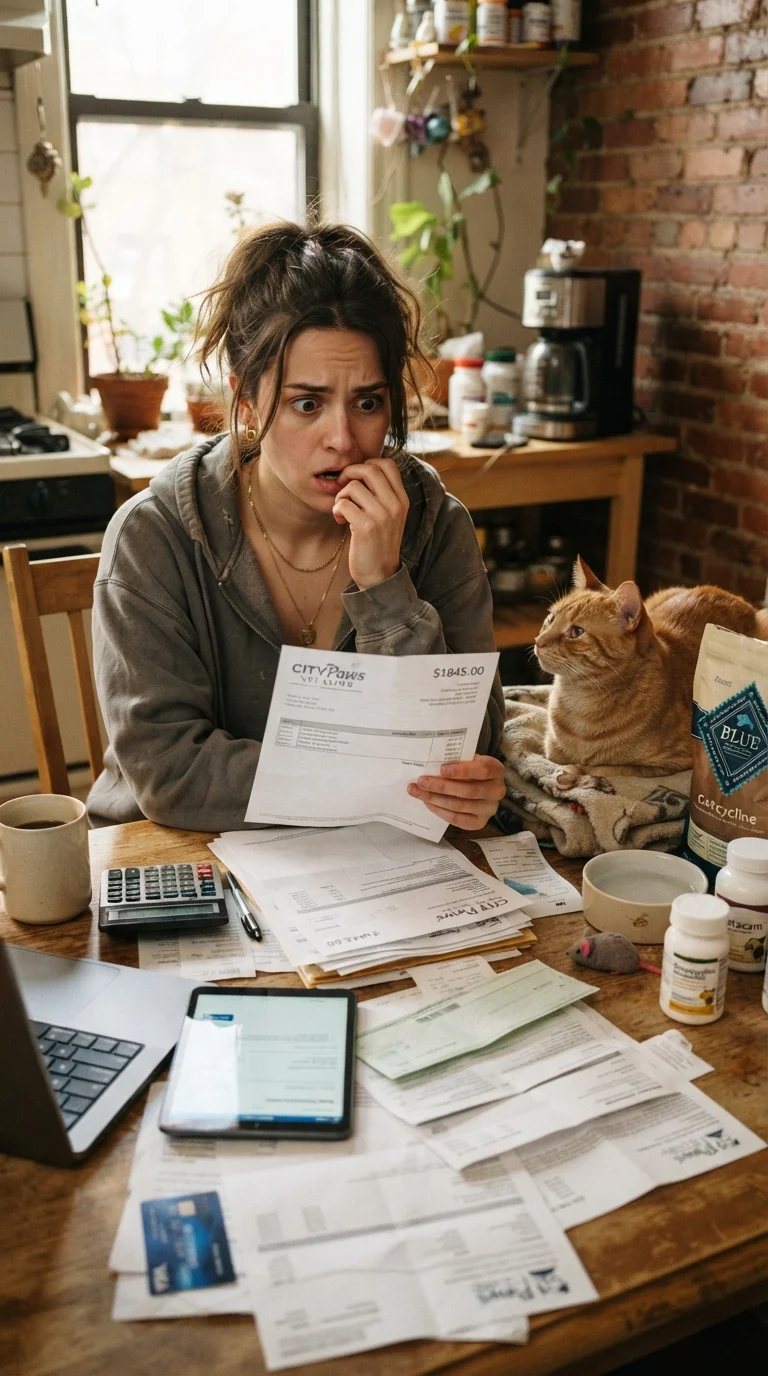
Bringing home a new pet is exciting - and often expensive in ways nobody warns you about. Most first-time owners mentally budget for a collar, a bed, some food, and perhaps an adoption fee. What they don't budget for is everything else: the recurring, the seasonal, and the sudden. The result is financial stress that can compromise an animal's care.
According to the American Pet Products Association, American households spend billions on pets each year, yet surveys consistently show that new owners underestimate annual costs by a wide margin. The gap isn't because people are careless - it's because pet ownership has genuinely invisible cost categories that only become visible once you're already in the relationship. See our comprehensive first-time owner guide for a broader look at what to prepare for before bringing an animal home.
Ignoring the true cost of routine veterinary care.
Why it happens: New owners think of vet visits as something done only when a pet is sick, underestimating how much annual wellness care - vaccines, flea and tick prevention, heartworm testing, and dental exams - adds up across a year.
Having no financial buffer for veterinary emergencies.
Why it happens: Emergency care feels abstract until it happens. Many owners assume they'll manage when the time comes, not realizing that a single emergency - an intestinal blockage, a broken bone, or an acute illness - can generate bills ranging from several hundred to several thousand dollars.
Overlooking boarding, pet-sitting, and travel costs.
Why it happens: Owners focus on day-to-day care and forget that any travel - even a short weekend trip - requires a plan for the pet. Professional boarding or pet-sitting services carry real costs that can dwarf other monthly expenses if travel is frequent.
Underestimating grooming requirements for certain breeds.
Why it happens: Appearance-focused research often stops at "does this dog look cute." Many breeds - particularly long-haired dogs and cats - require professional grooming every four to eight weeks, a cost that compounds significantly over a year.
Skipping behavioral training and then paying more later.
Why it happens: Training is often seen as optional - something done only if the pet becomes a "problem." In reality, early investment in professional training or structured classes tends to prevent behavioral issues that are far more expensive to correct later, both financially and emotionally.
Forgetting housing-related pet costs.
Why it happens: Renters often don't discover pet deposits, monthly pet fees, or breed restrictions until they're already committed to adopting. Homeowners may not anticipate pet-related property damage repair costs or yard modifications.
Building Financial Habits That Protect Your Pet
Awareness of hidden costs is only half the solution - the other half is building a financial structure that absorbs them. A dedicated pet savings account, even funded at modest monthly amounts, can prevent a single emergency from becoming a crisis. Some owners also find that structured pet budgeting - where routine, seasonal, and emergency categories each have their own allocation - removes the element of surprise over time.
Pet Insurance Has Enrollment Windows That Matter
Most pet insurance policies will not cover conditions that existed before the policy was purchased. Waiting until your pet is already ill or injured to explore coverage will likely leave those costs uninsured. If insurance is part of your financial plan, it is generally more protective - and often less expensive - when obtained while the animal is young and healthy. Always read policy exclusions carefully and compare coverage terms before enrolling.
Pet insurance is worth understanding early. Premiums and coverage terms vary widely, and most policies exclude pre-existing conditions - meaning coverage acquired after a diagnosis may not apply to that condition. Reviewing policy documents carefully before purchasing is essential. For a fuller picture of what annual ownership actually costs across species and life stages, see The Real Cost of Owning a Pet in America.
If finances become strained, options exist. Low-cost veterinary resources and community programs can help bridge gaps without compromising your pet's wellbeing. The goal isn't to discourage pet ownership - it's to make sure the commitment is entered with clear eyes and a realistic plan.
This article is for general informational purposes only and does not constitute financial or veterinary advice. Consult a licensed veterinarian for guidance specific to your pet's health needs, and a qualified financial professional for personal budgeting decisions.