

Pets & Animals

When a Pet Emergency Can't Wait Until Morning

Share
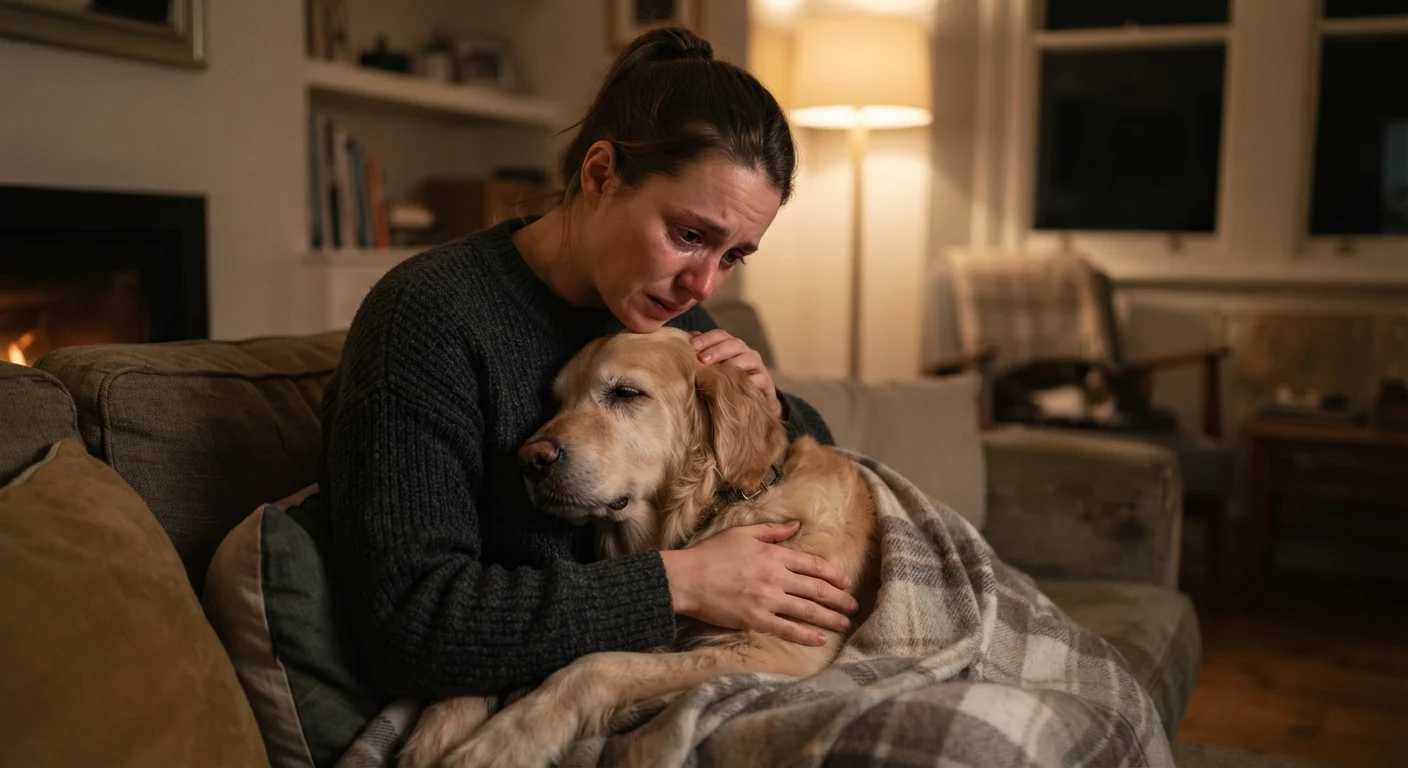
A worried pet owner checking on a sick dog late at night in a dimly lit room.

Key Takeaways

Certain symptoms in pets—like labored breathing or suspected poisoning—require emergency care immediately, not the next morning.
Knowing the difference between urgent and non-urgent signs prevents both dangerous delays and unnecessary late-night trips.
Senior pets and young animals may deteriorate faster; apply a lower threshold when evaluating their symptoms.
Having an emergency vet's contact saved in advance removes a critical barrier when seconds matter.
This checklist is a reference tool, not a substitute for professional veterinary evaluation.
10–20 min

Summary

18 items · 10–20 minutes to review and prepare

Why the Midnight Question Matters

Every pet owner has faced it: your dog or cat starts acting strangely at 11 p.m., and you're left wondering whether to rush to an emergency animal hospital or wait until your regular vet opens in the morning. Making the wrong call in either direction carries real consequences—delayed care for a critical condition, or unnecessary stress for a minor one.

This checklist is designed to help you make that judgment quickly and confidently. It draws on guidance from veterinary organizations including the AVMA and the ASPCA. It is general information only and is not a substitute for a veterinarian's evaluation. When in doubt, call an emergency animal hospital or a veterinary triage hotline—they can help you decide.

If you have a senior pet, see our guide on what changes with age in veterinary care, as older animals may show subtler warning signs that still warrant urgent attention.

When in Doubt, Call First

If you're unsure whether a symptom is an emergency, call your nearest 24-hour emergency animal hospital before deciding. Most clinics have staff available to help you assess severity over the phone. Triage guidance from a professional is always safer than guessing—and faster than searching online when your pet is in distress.

Emergency Symptoms: Go Now

The signs below suggest a potentially life-threatening situation. Do not wait for a morning appointment. Contact an emergency veterinary clinic immediately.

Go to the Emergency Vet Immediately

Seek emergency care if your pet is struggling to breathe, showing labored chest movements, or breathing with their mouth open (especially cats, for whom open-mouth breathing is almost always abnormal). Must
Go immediately if your pet has collapsed, cannot stand, or lost consciousness—even briefly. Must
Act urgently if your pet's abdomen appears bloated or distended and they are retching without vomiting, particularly in large-breed dogs—this may indicate GDV (gastric dilatation-volvulus), which is rapidly fatal without treatment. Must
Seek care immediately if you know or suspect your pet has ingested a toxic substance, medication, or foreign object—do not wait for symptoms to worsen. Must
Go now if your pet has had a seizure lasting more than two minutes, has multiple seizures in a short period, or is not recovering normally after a single seizure. Must
Seek emergency care for severe or uncontrolled bleeding that does not slow with firm pressure after several minutes. Must
Act immediately if your pet shows signs of extreme pain—vocalizing when touched, hunched posture, refusal to move, or biting when approached. Must
Go to an emergency clinic if your pet has suffered major trauma such as a car strike, a fall from height, or an attack by another animal. Must
Seek care urgently if your pet is unable to urinate, especially male cats straining at the litter box—a blocked urethra can be fatal within hours. Must

Can Likely Wait—But Monitor Closely

Schedule a same-day or next-morning appointment for a single episode of vomiting or diarrhea in an otherwise alert, comfortable pet who is not showing additional symptoms. Should
Monitor and call your vet in the morning if your pet is limping slightly but bearing weight, has no visible wound, and is otherwise behaving normally. Should
A minor, non-bleeding skin lump or irritation that your pet is not aggressively scratching can typically be evaluated at a regular appointment. Should
Mild lethargy without other alarming signs may warrant a morning call to your vet, particularly if your pet ate, drank, and used the bathroom normally that day. Should

Preparation Checklist

Save the name, address, and phone number of your nearest 24-hour emergency veterinary clinic in your phone contacts right now. Must
Keep a written record of your pet's current medications, known allergies, and medical history in a place you can grab quickly. Must
Know the ASPCA Animal Poison Control Center phone number (888-426-4435) and note that a consultation fee may apply. Must
Ask your regular vet whether they offer after-hours triage advice or an answering service for urgent calls. Should
Keep a basic pet first-aid kit on hand with items such as gauze, saline solution, and a digital thermometer—but understand it supplements, not replaces, professional care. Nice to have

Young and Senior Pets Deteriorate Faster

Puppies, kittens, and senior animals have less physiological reserve than healthy adult pets. A symptom that might be watchable overnight in a three-year-old dog could become critical much faster in a 12-year-old or a six-week-old kitten. Apply a lower threshold for seeking emergency care with these animals, and consult your veterinarian if you have any doubt.

Preparation: What to Have Ready Before an Emergency Strikes

Emergencies feel more manageable when you're not scrambling for basic information at the same time. Taking a few minutes now to prepare can save critical time later. Part of responsible pet ownership is also planning for the financial reality of emergency care—our article on building a pet budget for the unexpected can help you think through those costs in advance.

For owners experiencing financial difficulty, resources for pet care when money is tight outlines community programs and low-cost options that may be available in your area.

Required

24-Hour Emergency Veterinary Clinic

Provides immediate triage and treatment for life-threatening conditions outside of regular vet hours.

Required

ASPCA Animal Poison Control Center

Offers expert telephone guidance when you suspect your pet has ingested a toxic substance; a consultation fee may apply.

Optional

Pet First-Aid Kit

Supplies basic materials—gauze, saline, thermometer—to stabilize a pet while transporting them to emergency care.

Required

Pet Medical Records File

Keeps your pet's medications, allergies, vaccination history, and health conditions in one accessible place for emergency staff.

This article is for general informational purposes only and does not constitute veterinary medical advice. Always consult a licensed veterinarian for guidance about your specific pet's health.

Pets & Animals Editorial Team is the collective byline for our editorial team and contributor network. Articles published under this byline or an editorial pen name are researched, written, and reviewed according to our editorial standards for clarity, consistency, and independence before publication.

View all articles by Pets & Animals Editorial Team →
Disclaimer: The content on this site is for informational purposes only and is not a substitute for professional advice. Always consult a qualified professional for guidance specific to your situation.