

Key Takeaways
Skin Type
Skin type describes how your skin naturally behaves in terms of oil production, hydration levels, and sensitivity. The four commonly recognized types are oily, dry, combination, and sensitive - though many people fall somewhere in between. Identifying your skin type helps you choose products and routines that work with your skin rather than against it.
Skin type is primarily driven by sebaceous (oil) gland activity and the integrity of the skin's lipid barrier, both of which are influenced by genetics, hormones, environment, and age.
The Four Skin Types - What Each One Actually Means
Walk into any beauty aisle and you'll see products labeled for every skin type imaginable. But what do those categories actually describe?
Oily skin produces excess sebum throughout the day, leaving the face with a consistent shine. Pores tend to appear larger, and breakouts are more common. The upside? Oily skin often ages more slowly because natural oils help maintain the skin barrier.
Dry skin underproduces sebum, which can leave skin feeling tight, rough, or flaky - especially after cleansing. The barrier function is often weaker, meaning moisture evaporates faster. This type can be genetically driven or worsened by cold weather and harsh cleansers.
Combination skin is the most common type. It features an oily T-zone (forehead, nose, chin) paired with normal or dry cheeks. This mismatch is why one-size-fits-all products can be tricky - what soothes the cheeks may feel heavy on the nose.
Sensitive skin reacts more readily to products, temperature changes, or environmental stressors, showing redness, stinging, or tightness. It's less a standalone type and more a reactivity pattern that can layer on top of any of the three types above.
Dehydration vs. Dry Skin Type
These two are frequently confused, but they're different things. Dry skin is a type characterized by low oil production; dehydrated skin is a temporary condition where the skin lacks water. Dehydration can affect any skin type, including oily skin. If your skin feels tight but also looks shiny, dehydration - not dry skin type - may be the culprit.
Why Your Skin Type Isn't Set in Stone
One of the most empowering things to understand about skin is that it's dynamic. The skin type you had at 19 may look quite different at 35 or 50 - and that's completely normal.
Age is the biggest driver of change. Sebum production tends to peak in adolescence and then gradually decline. Many people who had persistently oily skin in their teens notice their skin shifting toward normal or even dry as they enter their 30s and 40s.
Hormones play a major role, too. Pregnancy, menstrual cycles, perimenopause, and menopause can all alter oil production and skin thickness. These shifts can happen quickly and sometimes feel disorienting if you're relying on a routine built for a previous version of your skin.
Climate and environment are often underestimated. Moving from a humid coastal city to a dry inland climate - or even just navigating seasonal changes - can tip your skin toward dehydration or increased oiliness.
Diet, stress, and sleep also influence skin behavior, though the degree varies from person to person. Skincare professionals commonly note that these lifestyle factors can intensify existing tendencies rather than fundamentally reassign your skin type.
Reassess Your Skin Every Season
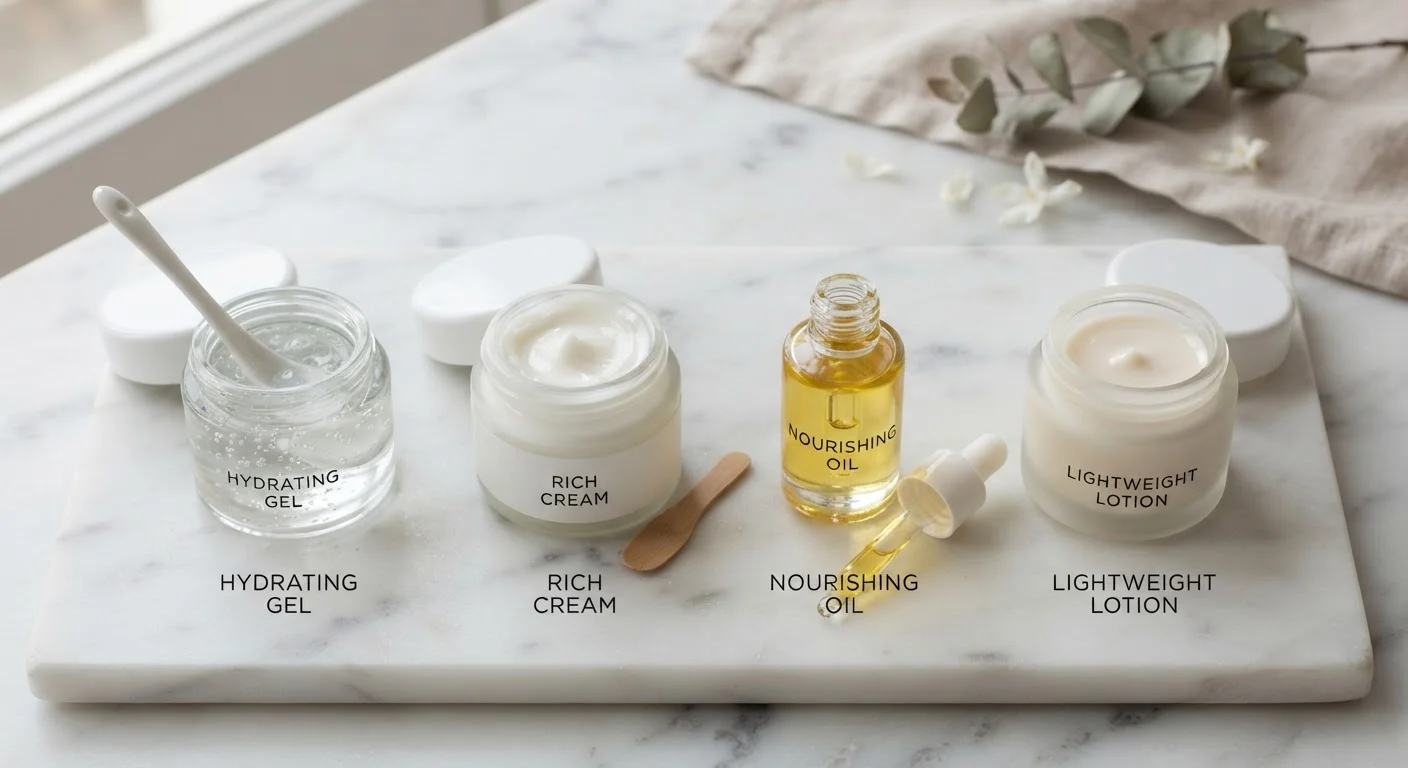
Your winter routine and summer routine don't have to be identical. Try doing the simple blotting test once per season to see if your skin's oil levels have shifted. Even small adjustments - like swapping a rich cream for a lighter lotion in July - can make a noticeable difference in comfort and appearance.
How to Build a Routine Once You Know Your Type
Identifying your skin type isn't the final destination - it's a starting framework. The goal is to work with your skin's natural tendencies rather than overcorrect them.
For oily skin, lightweight, non-comedogenic (meaning formulated not to clog pores) moisturizers and gel cleansers are generally well-tolerated. Skipping moisturizer entirely often backfires, as stripped skin can ramp up oil production to compensate.
For dry skin, cream-based cleansers and richer moisturizers with ingredients like ceramides or hyaluronic acid help support the barrier. Avoid foaming cleansers that can intensify dryness.
For combination skin, a balanced routine often works better than zoning products, though some people prefer using a lighter formula on the T-zone and a more nourishing one on the cheeks.
For sensitive skin, fragrance-free, minimal-ingredient formulas are a safe starting point. Patch-testing new products on a small area before full-face use is a practical habit worth keeping.
Once you have the foundation, you can layer in targeted ingredients. Our guide to reading a skincare ingredient list is a helpful next step. And because your skin also behaves differently depending on the time of day, understanding daytime vs. nighttime skincare can sharpen your routine further.
Just as skin type knowledge shapes your skincare approach, understanding hair-specific properties like hair porosity can do the same for your hair care routine - the principle of working with your biology rather than against it applies across the board.