

Key Takeaways
Why Hidden Sodium Is a Real Concern
Most people associate high sodium intake with heavy salt use at the dinner table. In reality, the salt shaker contributes a relatively small fraction of the sodium most Americans consume each day. According to the U.S. Food and Drug Administration (FDA), the majority of dietary sodium - roughly 70% - comes from processed, packaged, and restaurant foods, not from home cooking or table salt.
The Dietary Guidelines for Americans recommend adults consume no more than 2,300 milligrams of sodium per day, yet average consumption is estimated to be considerably higher. Excess sodium is linked to elevated blood pressure and increased cardiovascular risk, though individual responses vary. This makes understanding where sodium actually hides in everyday meals an important step toward healthier eating - without the need for rigid or unsustainable diets.
Just as dietary fiber is an overlooked nutrient for many Americans, sodium is an overlooked hazard hiding in foods that seem perfectly ordinary. The list below covers the most common culprits worth knowing about.
Bread and Baked Goods
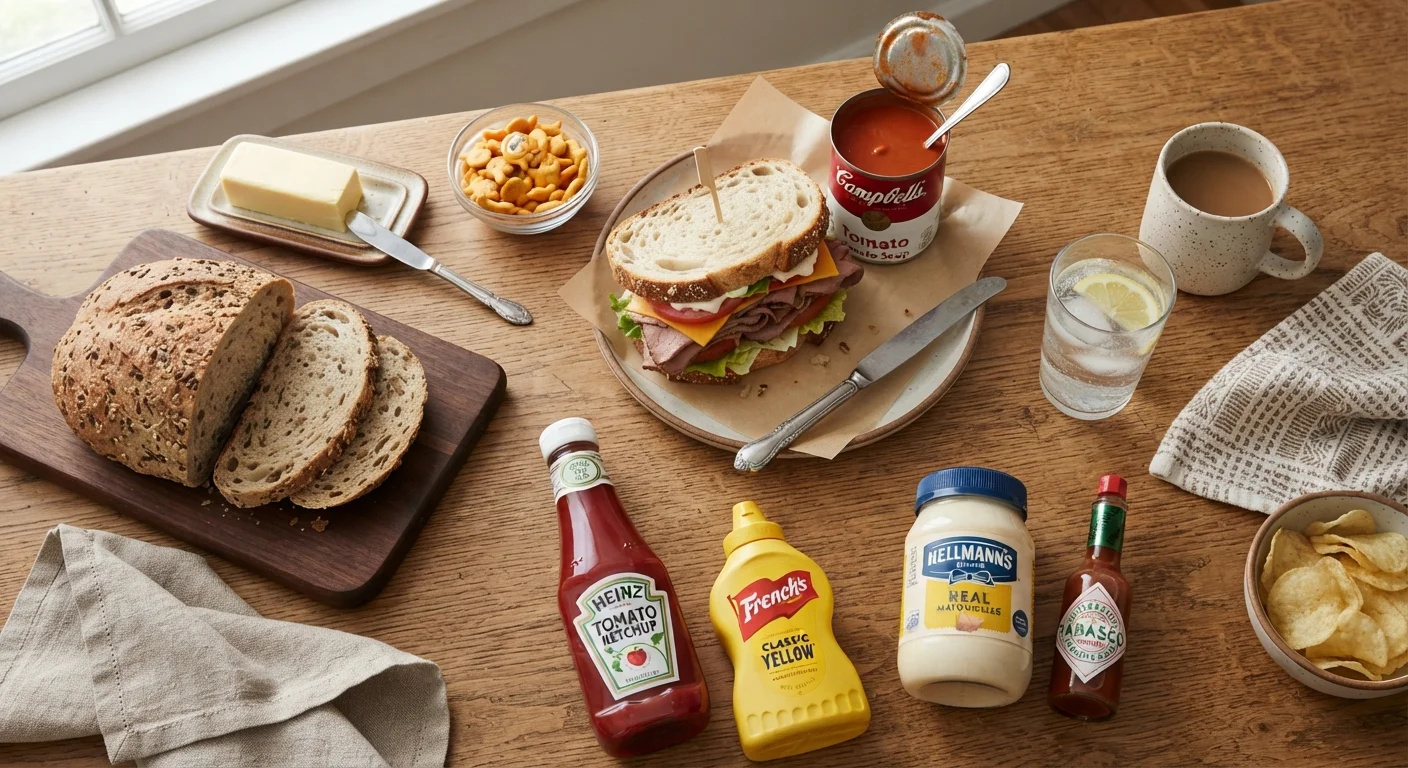
Sliced sandwich bread is one of the single largest sources of sodium in the American diet - not because any one slice is dramatically high, but because it's eaten multiple times a day. A single slice of white sandwich bread can contain 100-180 mg of sodium, meaning a basic two-slice sandwich already delivers 200-360 mg before any fillings are added. Rolls, bagels, English muffins, and flour tortillas follow a similar pattern. Sodium in bread acts as a preservative and flavor enhancer, making it nearly universal in commercial baking.
Two slices of sandwich bread can deliver over 300 mg of sodium before any fillings are added.
Deli Meats and Cured Proteins
Cured and processed meats - including deli turkey, ham, roast beef, salami, and hot dogs - are preserved using large quantities of salt and often sodium-based curing compounds. A standard two-ounce serving of deli turkey can contain 400-600 mg of sodium. Those who build lunches around deli sandwiches daily are often consuming 1,000 mg or more from that meal alone. Lower-sodium versions are available and do offer a meaningful reduction, though they still warrant label-checking.
A deli sandwich can contain more than 1,000 mg of sodium from meat and bread alone.
Canned Soups and Broths
Canned soup has long been flagged as a high-sodium food, yet it remains a go-to convenience meal for millions of Americans. A single can of condensed soup - often marketed as two servings - can contain 800-1,800 mg of sodium. Broths and stocks used in home cooking are similarly sodium-dense unless specifically labeled as low-sodium. Even "healthy" soups with vegetable-forward ingredients frequently carry high sodium loads due to their seasoning and preservation requirements.
One can of condensed soup can contain nearly an entire day's recommended sodium allowance.
Condiments and Sauces
Soy sauce, ketchup, barbecue sauce, salad dressings, hot sauce, and jarred pasta sauces are concentrated sodium sources that are easy to underestimate because they're used in small volumes. A single tablespoon of soy sauce can contain more than 900 mg of sodium. Two tablespoons of bottled Italian dressing may add 300-400 mg. Because condiments are rarely tracked as carefully as main dishes, they can quietly push daily sodium intake well over recommended limits.
A single tablespoon of soy sauce can contain nearly half of a day's recommended sodium limit.
Restaurant and Fast-Food Meals
Restaurant portion sizes and professional cooking techniques - which rely heavily on salt for flavor - make dining out one of the most significant drivers of elevated sodium intake. A sit-down restaurant entrée can easily contain 1,500-3,000 mg of sodium, sometimes more when appetizers, bread, or sides are included. Fast-food items are similarly sodium-dense, with popular burgers and chicken sandwiches often delivering 1,000-1,500 mg per item. Choosing grilled over fried, requesting sauces on the side, and avoiding extra salt can reduce intake without eliminating dining out entirely.
A single restaurant entrée can contain more sodium than is recommended for an entire day.
Packaged Seasonings and Spice Blends
Pre-mixed seasoning packets - taco seasoning, ranch dip mix, onion soup mix, and similar products - are frequently salt-heavy. A single packet of taco seasoning can contain 300-500 mg of sodium per serving, and because these packets are blended into dishes serving multiple people, total sodium from a single meal can climb quickly. Making simple spice blends at home using individual herbs and salt-free seasonings gives far greater control over total sodium without sacrificing flavor.
Store-bought seasoning packets often contain far more sodium than the recipe's added salt.
Making Sense of Your Sodium Intake
Awareness is the first step, but sustainable change comes from gradual, realistic adjustments. Swapping one high-sodium item at a time - choosing lower-sodium canned goods, rinsing canned beans, or opting for herbs over packaged seasoning blends - can make a meaningful difference without requiring dramatic overhauls to your eating habits.
A Simple Label-Reading Habit
When comparing two versions of the same packaged food, check the sodium per serving and the serving size together - a lower number per serving means little if the serving size is also smaller. Aim for products with 5% Daily Value or less of sodium when possible. Over time, choosing lower-sodium versions of your most-used staples is one of the most practical ways to reduce overall intake without overhauling your entire diet.
Nutrition labels are your most reliable tool. Look for the "% Daily Value" for sodium: 5% or less per serving is generally considered low, while 20% or more is considered high. Checking labels across a few of your most frequently eaten foods can quickly reveal where the bulk of your sodium is coming from.
If you have existing heart, kidney, or blood pressure conditions, or are managing a chronic illness, consult a registered dietitian or your healthcare provider before making significant dietary changes. General guidance is a starting point, not a substitute for personalized medical advice.
This article is for general informational and educational purposes only and does not constitute medical or dietary advice. Always consult a qualified healthcare professional for guidance specific to your health needs.