

Home & Living

Hiring a Contractor: The Questions Worth Asking Before Anyone Picks Up a Tool

Share
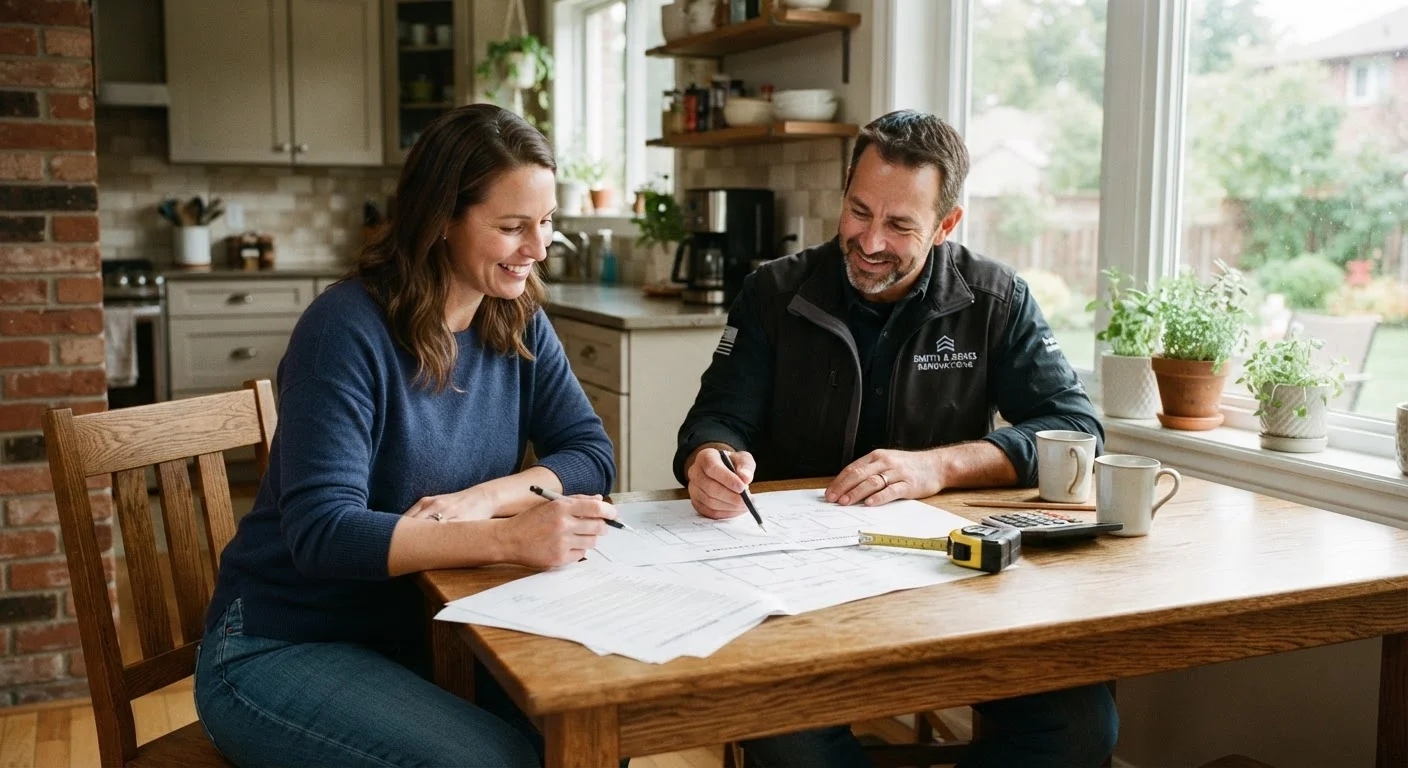
Homeowner reviewing documents with a contractor at a kitchen table before starting a renovation project

Key Takeaways

Always verify a contractor's license and insurance before signing anything or allowing work to begin.
A written contract with clear scope, timeline, and payment schedule protects both parties.
Permits and inspections are often legally required — confirm who pulls them before work starts.
Payment structure matters: avoid contractors who demand full payment upfront.
References and past project examples reveal far more than a polished sales pitch.
30–60 min

Summary

22 items · 30–60 minutes per contractor interview

Why Your Questions Matter More Than the Bid

Getting multiple estimates is standard advice — but the number on the page tells only part of the story. A low bid from an uninsured, unlicensed contractor can turn a routine kitchen remodel into a financial and legal headache. The questions you ask before signing anything are your first and best line of protection.

This checklist is designed for homeowners interviewing contractors for any significant project — from a bathroom renovation to a roof replacement. Work through it with each candidate, and you'll have a much clearer picture of who you're actually dealing with. For context on what those bids actually contain, see our guide to reading a construction estimate.

Not sure whether your project even needs a contractor? Our overview of DIY vs. professional repairs can help you decide before you start calling anyone.

Licensing & Credentials

Ask for the contractor's full business name, license number, and the state or local authority that issued it — then verify it independently through your state licensing board. Must
Confirm the license covers the specific type of work being done (general contracting, electrical, plumbing, and HVAC often require separate trade licenses). Must
Check whether the contractor has any complaints, disciplinary actions, or license suspensions on record with the licensing body. Must
Ask how long they've been in business under their current name — newly formed LLCs can sometimes obscure prior complaints. Should

Insurance Verification

Request a certificate of general liability insurance and confirm the coverage amount is appropriate for the scale of your project. Must
Verify that the contractor carries workers' compensation insurance covering all employees and subcontractors working on your property. Must
Ask to be named as an additional insured on the policy for the duration of the project — this protects you if a claim arises. Should
Call the insurance company directly to confirm the policy is active, not just rely on a certificate that could be outdated. Should

Permits & Inspections

Ask specifically which permits are required for your project and confirm the contractor will pull them — not you. Must
Clarify who is responsible for scheduling and passing required inspections at each phase of work. Must
If a contractor suggests skipping permits to save time or money, treat that as a serious warning sign and document the suggestion. Must

Subcontractors & Project Team

Ask whether any portion of the work will be subcontracted and, if so, to whom — subcontractors should also be licensed and insured. Must
Confirm who will be on-site daily supervising the work and how accessible the lead contractor or project manager will be. Should
Ask how many other projects they're running simultaneously so you can gauge how much attention yours will realistically receive. Nice to have

Timeline & Scheduling

Get the expected start date and projected completion date in writing, with milestones tied to specific phases of work. Must
Ask how delays (weather, material shortages, inspection holds) are communicated and how they affect the timeline and contract. Should
Clarify the process for handling change orders — any scope change should require written approval and revised cost before work proceeds. Must

Payment Terms & Contract

Review the proposed payment schedule and ensure payments are milestone-based rather than time-based — never pay in full before work is complete. Must
Ask what warranty is offered on both labor and materials, and get the terms in writing with a defined duration. Must
Request a lien waiver upon final payment to protect yourself from supplier or subcontractor claims against your property. Should

References & Past Work

Request at least three references from projects completed in the past 12–18 months that are comparable in scope to yours — and actually call them. Must
Ask references specifically whether the project finished on time, on budget, and whether they'd hire the contractor again without hesitation. Should
If possible, ask to visit or view photos of a completed project similar to yours to assess workmanship quality firsthand. Nice to have

Tools You'll Need for This Process

You don't need much to work through this checklist — but a few resources will make the process more efficient and help you document everything properly.

Required

State Contractor Licensing Board Website

Use your state's official licensing portal to independently verify a contractor's license status, coverage type, and any disciplinary history.

Required

Printed or Digital Checklist Copy

Bring this checklist to every contractor meeting so you can take consistent notes and compare candidates fairly.

Required

Notebook or Interview Recording App

Document contractor answers during interviews — memory fades quickly when comparing multiple bids.

Optional

Sample Contract Template

A baseline contract template helps you recognize what's missing from a contractor's proposed agreement and ask targeted questions.

Required

Local Building Department Contact

Call your municipal building department to confirm which permits are required for your specific project type and address.

What to Do After the Interview

Once you've interviewed your candidates and collected bids, take time to compare them side by side — not just on price, but on the specificity of their answers, the completeness of their paperwork, and how comfortable you felt during the conversation. Vague answers to direct questions are a red flag worth taking seriously.

Never Skip the Insurance Verification Step

A contractor who is uninsured or whose policy has lapsed leaves you financially exposed if a worker is injured on your property or accidental damage occurs. Don't take a certificate at face value — contact the insurer directly to confirm the policy is current. This step takes five minutes and can save you from significant liability.

Large Upfront Payments Are a Red Flag

Reputable contractors typically require a modest deposit (often 10–30% depending on project size and local norms) to secure your spot and cover initial materials. Requests for 50% or more before any work begins are uncommon in well-established contracting practices and warrant extra scrutiny. Always confirm what the deposit covers and get it in writing.

Before any work begins, confirm that the signed contract includes: a detailed scope of work, a start and projected end date, a payment schedule tied to milestones rather than calendar dates, and a process for handling change orders. If financing the project, our home improvement financing guide explains how different loan structures work so you can plan payments around realistic project phases.

For broader maintenance planning beyond individual projects, the Home Maintenance hub offers practical resources for keeping your home in good shape year-round.

This article is for general informational purposes only. Requirements for contractor licensing, insurance, and permits vary significantly by state and municipality. Always verify local regulations and consult a qualified professional before beginning any major home improvement project.

Home & Living Editorial Team is the collective byline for our editorial team and contributor network. Articles published under this byline or an editorial pen name are researched, written, and reviewed according to our editorial standards for clarity, consistency, and independence before publication.

View all articles by Home & Living Editorial Team →
Disclaimer: The content on this site is for informational purposes only and is not a substitute for professional advice. Always consult a qualified professional for guidance specific to your situation.