

Key Takeaways
Our Verdict
DIY home repairs can be genuinely rewarding and cost-effective when applied to the right tasks - caulking, painting, minor drywall patching, and simple fixture swaps are reasonable starting points for most homeowners. Where safety, code compliance, or structural integrity is at stake, the math almost always favors hiring a licensed professional. The wisest approach treats DIY as a tool, not a default.
Best for homeowners and renters who want to handle routine upkeep confidently while knowing exactly when to stop and call a pro.
What Makes a Repair DIY-Friendly?
Not every home repair is created equal. The tasks that fall safely in the DIY column tend to share a few characteristics: they don't involve live electricity, gas lines, load-bearing structures, or connections to the main plumbing supply; they're reversible if something goes wrong; and the consequences of an honest mistake are limited to inconvenience rather than injury or significant damage.
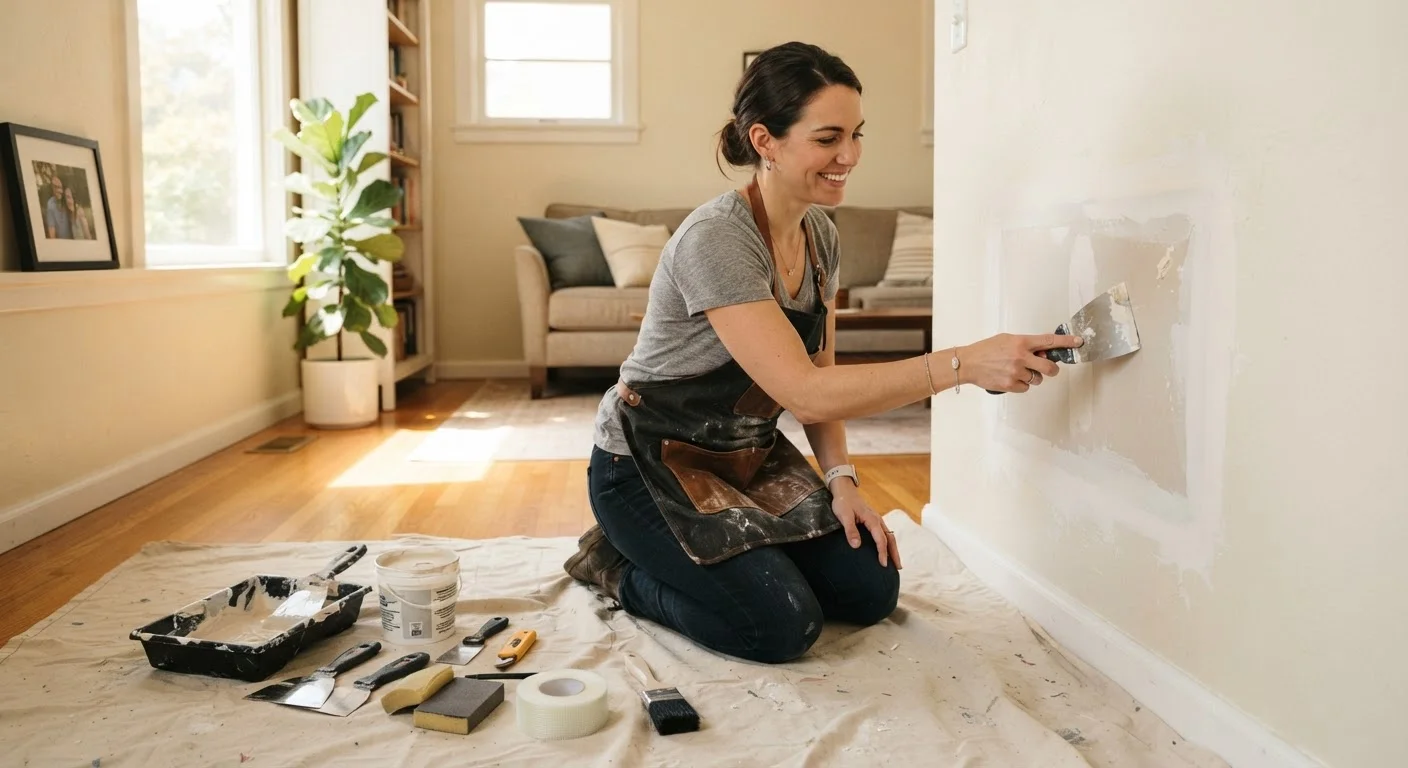
Common examples include patching small drywall holes, replacing interior door hardware, re-caulking a tub or window frame, touching up paint, swapping out light fixtures on circuits you've confirmed are off at the breaker, or unclogging a drain with a plunger. These tasks require attention and the right tools, but they don't demand a license or a permit - and learning them builds genuine household competence over time.
If you're a renter, it's worth checking our guide on how maintenance responsibilities differ between renters and owners before starting any repair - your lease may limit what you're authorized to touch.
Where the Risk Line Actually Falls
The boundary shifts from manageable to genuinely risky as soon as a task involves systems that can cause fire, flooding, structural collapse, or code violations. Electrical work beyond replacing a switch plate, anything involving your home's main panel, gas line connections, load-bearing wall modifications, roofing repairs on steep pitches, and anything that requires a building permit - these are areas where a well-intentioned DIY attempt can create hazards that outlast the original problem.
Unpermitted work is a particular concern. Many states and municipalities require permits for electrical upgrades, HVAC changes, and structural alterations. Work completed without required permits can surface at sale, complicate insurance claims, or result in mandatory tear-out. Our article on when building permits are required explains what triggers permit requirements and how to verify local rules.
Plumbing offers a useful illustration of the line. Replacing a faucet or a toilet flapper? Generally manageable. Working on drain lines under a sink? Possible with care. Tapping into supply lines inside walls or altering the main stack? That's licensed-plumber territory - and for good reason. See plumbing basics every homeowner should understand for a clearer map of the system.
The Real Cost of Getting It Wrong
The financial case for DIY is compelling on paper - labor often represents the majority of a professional repair bill. But that calculus changes when a DIY attempt fails. Water damage from a mishandled pipe joint can cost thousands to remediate. A wiring error can void homeowner's insurance coverage on a related claim, or in the worst cases, cause fires. Structural mistakes may require engineering assessments to certify safety before the work can be corrected.
~$13B
Annual cost of home water damage claims
According to the Insurance Information Institute, water damage and freezing account for a significant share of homeowner insurance claims each year, with a notable portion linked to plumbing failures.
~51%
Residential fires attributed to electrical failure
The U.S. Fire Administration has consistently identified electrical malfunctions as one of the leading causes of residential structure fires in the United States.
The psychological pull of DIY can also lead people to underestimate complexity - a tendency sometimes called the "IKEA effect," where involvement in a task inflates perceived competence. It's worth pausing before any new repair category to honestly assess whether you've done this type of work before, whether you have the right tools, and whether a mistake could harm someone.
If you're weighing when to bring in outside help, the right questions to ask a contractor before work begins can help you vet candidates with confidence. And if you've been convinced that DIY always saves money, it's worth reviewing common renovation myths that can derail a project for a more grounded perspective.
Electrical Work: A Category That Demands Extra Caution
Electrical repairs deserve their own emphasis because mistakes can be invisible and deadly. Improperly wired outlets or switches can pass visual inspection while creating a fire risk inside the wall. Arc faults - a leading cause of residential electrical fires - often result from wiring errors that aren't immediately obvious.
Some jurisdictions allow homeowners to do limited electrical work on their own property with a permit and inspection. That inspection step exists precisely to catch errors before they become hazards. If you notice flickering lights, warm outlets, or breakers that trip repeatedly, these are signals to stop any DIY work in that area and consult a licensed electrician. Our related guide covers the warning signs that your electrical system needs a professional inspection in detail.
When a Permit Is Likely Required
Most jurisdictions require permits for electrical panel upgrades, new circuit installation, HVAC replacements, structural wall changes, and additions. Cosmetic work - painting, flooring, cabinet replacement - typically does not. Requirements vary by municipality, so always check with your local building department before starting work. Completing regulated work without a permit can result in fines, required demolition, and complications at resale.
This article is for general informational purposes only. Always verify local permit requirements and consult a licensed professional before undertaking any repair work that involves electrical systems, gas, structural components, or main plumbing lines.