

Key Takeaways
Annual Wellness Exam
An annual wellness exam is a scheduled, head-to-tail physical evaluation performed by a licensed veterinarian once a year - or more often for puppies, kittens, and senior pets. It covers everything from weight and vital signs to teeth, ears, heart, and internal organ function. The goal is to establish a health baseline, catch developing problems before symptoms appear, and keep vaccinations and parasite prevention current.
Veterinarians use the exam to compare findings against prior records over time; subtle changes in body weight, heart rhythm, or blood values can be significant indicators of emerging disease long before a pet shows outward signs.
What Actually Happens During the Exam
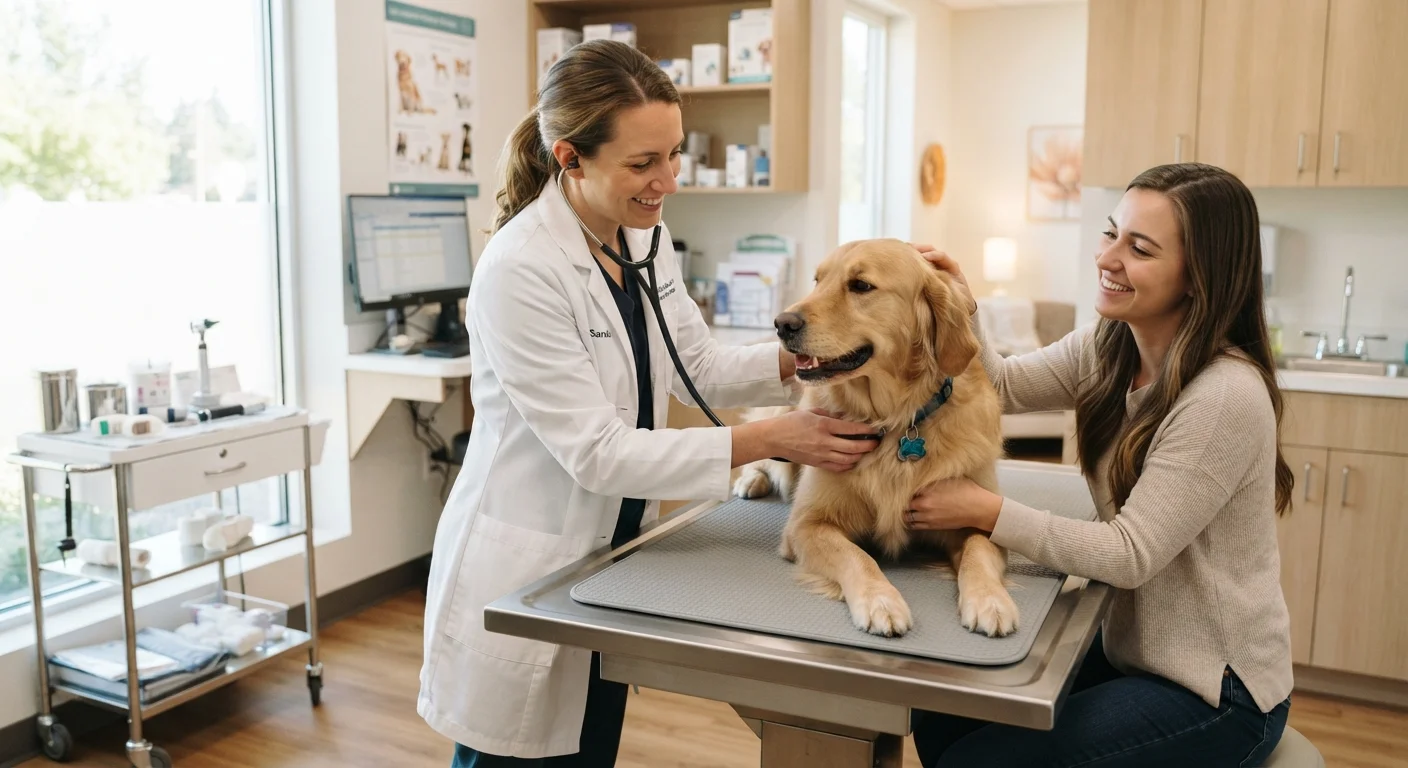
A routine wellness visit typically begins before the veterinarian even touches your pet. The technician will record weight, temperature, heart rate, and respiratory rate - readings that form the baseline your veterinarian compares to at every future visit. A meaningful weight change, even one that looks minor on its own, can be an early signal of metabolic or systemic disease.
The physical exam itself proceeds systematically. The veterinarian inspects the eyes for cloudiness, discharge, or pressure changes; checks the ears for infection, mites, or debris; and palpates the lymph nodes along the neck, armpits, and groin for unusual swelling. The oral cavity - teeth, gums, and throat - receives careful attention. Dental disease is one of the most prevalent conditions in companion animals and is frequently identified first during a wellness exam. See our guide to pet dental health for a closer look at why oral care matters so much.
The cardiovascular and respiratory assessment follows: the veterinarian listens to the heart for murmurs or arrhythmias and to the lungs for abnormal sounds. Abdominal palpation checks organ size and consistency, which can reveal enlarged kidneys, a full bladder, or an unusual mass. The skin and coat are evaluated for parasites, lesions, lumps, or coat quality changes, and the musculoskeletal system is assessed for joint pain, muscle atrophy, or gait irregularities.
Make Your Notes Before the Appointment
Write down any behavioral or physical changes you've noticed - even minor ones like increased water consumption or changes in sleep patterns. Bringing a brief list to the appointment ensures nothing is forgotten in the moment and gives your veterinarian valuable diagnostic context that a physical exam alone cannot provide.
Diagnostics, Vaccines, and Parasite Prevention
Depending on your pet's age, species, and history, the veterinarian may recommend diagnostic tests alongside the physical exam. Blood panels - including a complete blood count and chemistry profile - assess organ function, red and white cell counts, and blood sugar. Urinalysis can flag kidney issues or infection. A fecal test screens for intestinal parasites that may not be visible to the naked eye.
Vaccination status is reviewed at every annual visit. Your veterinarian will assess which vaccines are due based on your pet's prior records, local disease prevalence, and lifestyle factors. A dog that frequents dog parks has different exposure risks than one that rarely leaves the backyard. Parasite prevention - including heartworm testing and flea, tick, and heartworm preventives - is also discussed and updated as needed. Year-round protection is frequently recommended, particularly in regions with mild winters.
~70%
Dogs over 3 with some degree of dental disease
The American Veterinary Medical Association notes that dental disease is among the most common health conditions diagnosed in dogs during routine wellness exams.
2×/year
Recommended exam frequency for senior pets
Veterinary guidelines generally recommend twice-yearly wellness visits for dogs and cats considered senior, given the accelerated rate of age-related health changes.
Early detection
Primary benefit of annual wellness exams
Veterinary professionals consistently cite early disease detection - before symptoms appear - as the most clinically significant advantage of routine annual exams.
Why Frequency Changes With Life Stage
A single annual visit is the baseline for healthy adult pets, but it is not a universal rule. Puppies and kittens require a series of visits in their first four to six months to complete initial vaccine protocols and monitor rapid developmental milestones. As pets enter their senior years, the gap between exams shortens. Physiological changes accelerate with age - kidney function, thyroid levels, blood pressure, and joint health can shift meaningfully within six months in an older animal.
The complete guide to pet wellness across every life stage covers how health priorities shift from puppyhood through the senior years in greater detail. If your pet has already entered that later chapter of life, preparing a senior pet for the vet explains what screenings become standard and why the monitoring timeline tightens.
Exam Frequency Is Not One-Size-Fits-All
Your veterinarian will recommend a visit schedule based on your individual pet's species, breed, age, weight, and medical history. Pets managing chronic conditions may need more frequent monitoring than a once-yearly visit. Always follow your veterinarian's specific guidance rather than a general rule.
What You Can Do to Make the Visit Count
The annual exam is a two-way exchange. Veterinarians rely heavily on owner-reported observations to contextualize what they find during the physical assessment. Changes in appetite, thirst, elimination habits, energy level, sleep patterns, or social behavior are all diagnostically relevant - and you are the one positioned to notice them. Arrive prepared with a brief list of anything that has changed since the last visit, even if it seemed trivial at the time.
Between appointments, building consistent daily habits supports the work done in the clinic. Keeping your pet healthy between vet appointments outlines practical routines - from weight monitoring to coat and dental care - that reinforce long-term wellness. The annual exam and daily home care are complementary: neither replaces the other.
The Pet Care Basics hub offers additional resources on nutrition, grooming, and everyday routines that keep animals thriving year-round.
This article provides general educational information about routine veterinary care and is not a substitute for professional veterinary advice. Always consult a licensed veterinarian for guidance specific to your pet's health, age, and medical history.