

Key Takeaways
Why Pet Dental Health Deserves More Attention
Dental disease is consistently ranked among the most commonly diagnosed conditions in adult dogs and cats by veterinary organizations, yet it remains one of the most under-addressed areas of routine pet care. Many owners assume that bad breath in a pet is normal - it isn't. Persistent mouth odor is typically an early sign of bacterial buildup, plaque accumulation, or the beginning stages of periodontal disease.
The consequences of untreated dental disease go well beyond a pet's mouth. When oral bacteria travel through the bloodstream, they can contribute to inflammation and damage in the heart, kidneys, and liver. This systemic connection is why veterinary dental care is considered part of whole-body health, not a cosmetic concern. For a deeper look at how dental disease develops and progresses, see how dental disease progresses in pets.
~80%
Dogs with dental disease by age three
The American Veterinary Medical Association estimates that most dogs show signs of periodontal disease by age three, making it the most common clinical condition in adult dogs.
~70%
Cats affected by dental disease by age three
According to veterinary dental health guidance, the majority of cats develop some form of periodontal disease before their third birthday.
Best Practices for Pet Dental Care at Home and at the Vet
Building a consistent dental care routine requires both daily habits at home and professional support from your veterinarian. The following practices reflect current veterinary guidance and are applicable to the majority of healthy adult dogs and cats.
Brush your pet's teeth daily using a pet-specific toothpaste and soft-bristled brush.
Daily brushing is the most effective method for removing plaque before it hardens into tartar. Human toothpaste contains ingredients such as xylitol and fluoride that are toxic to pets, so using a veterinarian-approved product is essential. Consistency matters - brushing three or more times per week produces meaningfully better outcomes than occasional cleaning.
Schedule annual or biannual professional dental cleanings with your veterinarian.
At-home brushing reduces plaque but cannot remove tartar once it has mineralized onto the tooth surface. Professional cleanings performed under anesthesia allow veterinarians to scale below the gumline, probe for pockets, take dental X-rays, and address problems that are invisible to the naked eye. Skipping these cleanings allows subclinical disease to progress silently.
Introduce dental care habits early in a pet's life to build long-term tolerance.
Puppies and kittens that are gradually desensitized to mouth handling, toothbrushes, and oral examinations are significantly easier to care for as adults. Starting early reduces stress for both pet and owner and makes it more likely that daily brushing will become a sustainable routine rather than a battle.
Supplement brushing with veterinarian-accepted dental chews, diets, or water additives where appropriate.
While no supplement replaces brushing, products that carry the Veterinary Oral Health Council (VOHC) seal have met accepted standards for reducing plaque or tartar in controlled studies. These can serve as a useful adjunct for pets who resist brushing or as an additional layer of protection. Not all dental products on the market have been independently evaluated - the VOHC seal is a reliable indicator of demonstrated efficacy.
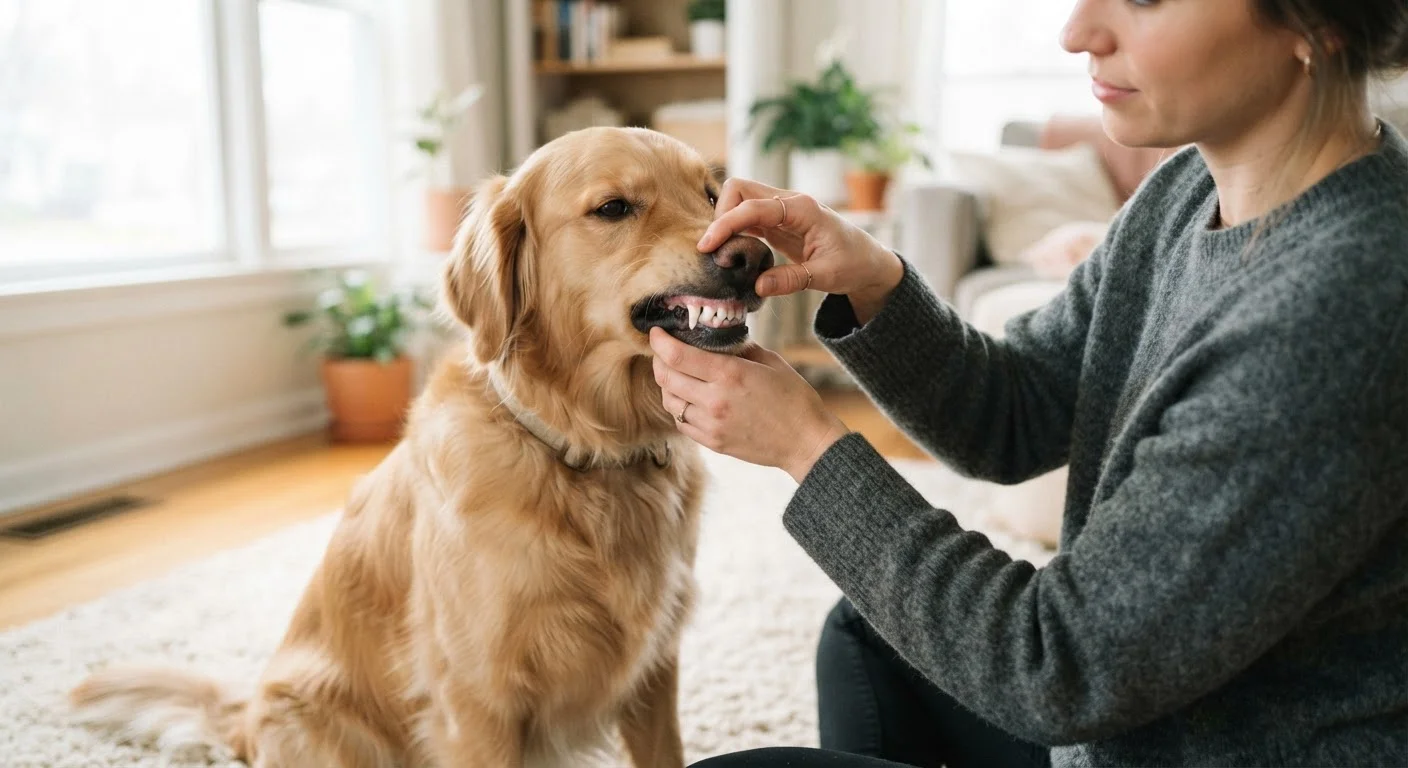
Conduct brief at-home oral inspections monthly to monitor for early warning signs.
Catching dental problems early - before pain, tooth loss, or systemic infection occurs - significantly improves treatment outcomes and reduces veterinary costs. Monthly checks take only a few minutes and help owners notice changes in gum color, tooth surface, or breath that might otherwise go undetected for months. Document what you observe so you can report changes accurately to your vet.
This article provides general pet health information and is not a substitute for veterinary advice. Always consult your veterinarian before starting a new dental care routine, especially if your pet shows signs of pain, swelling, or significant oral odor.
Recognizing the Signs of Dental Problems Early
Pets instinctively conceal discomfort, which means dental pain often goes unnoticed until disease is well advanced. Knowing what to look for puts owners in a far stronger position to act early. Common warning signs include:
- Bad breath that is persistent or notably foul-smelling
- Yellow or brown deposits on teeth near the gumline (tartar buildup)
- Red, swollen, or bleeding gums
- Dropping food, chewing on one side, or reluctance to eat hard kibble
- Pawing at the face or rubbing the mouth against surfaces
- Increased drooling or blood-tinged saliva
Because animals hide discomfort so effectively, these signs may appear only after disease has progressed. Our guide to subtle signs your pet may be in pain covers additional behavioral cues worth learning. If you observe any of these symptoms, schedule a veterinary exam promptly rather than waiting for the next routine checkup.
Dental Care as Part of Overall Pet Wellness
Dental health doesn't exist in isolation - it's one component of a broader wellness picture. Regular annual veterinary wellness exams typically include an oral health assessment and can catch problems before they become costly or painful to treat. Your vet can recommend a professional cleaning schedule based on your pet's age, breed, and current oral health status.
Maintaining dental health also connects to other aspects of wellbeing. Poor nutrition, excess weight, and chronic inflammation can all influence oral health outcomes. If budget constraints make professional dental care feel out of reach, resources for pet owners facing financial hardship may help you identify low-cost veterinary programs in your area. For a broader framework of daily habits that support long-term pet health, see keeping your pet healthy between vet appointments.
Make Dental Care Part of a Routine
Pets respond well to predictability. Attaching toothbrushing to an existing daily habit - such as after the morning feeding or before bed - makes it far easier to stay consistent. Keep your pet's dental supplies in a visible, accessible location to reduce friction and reinforce the routine.