

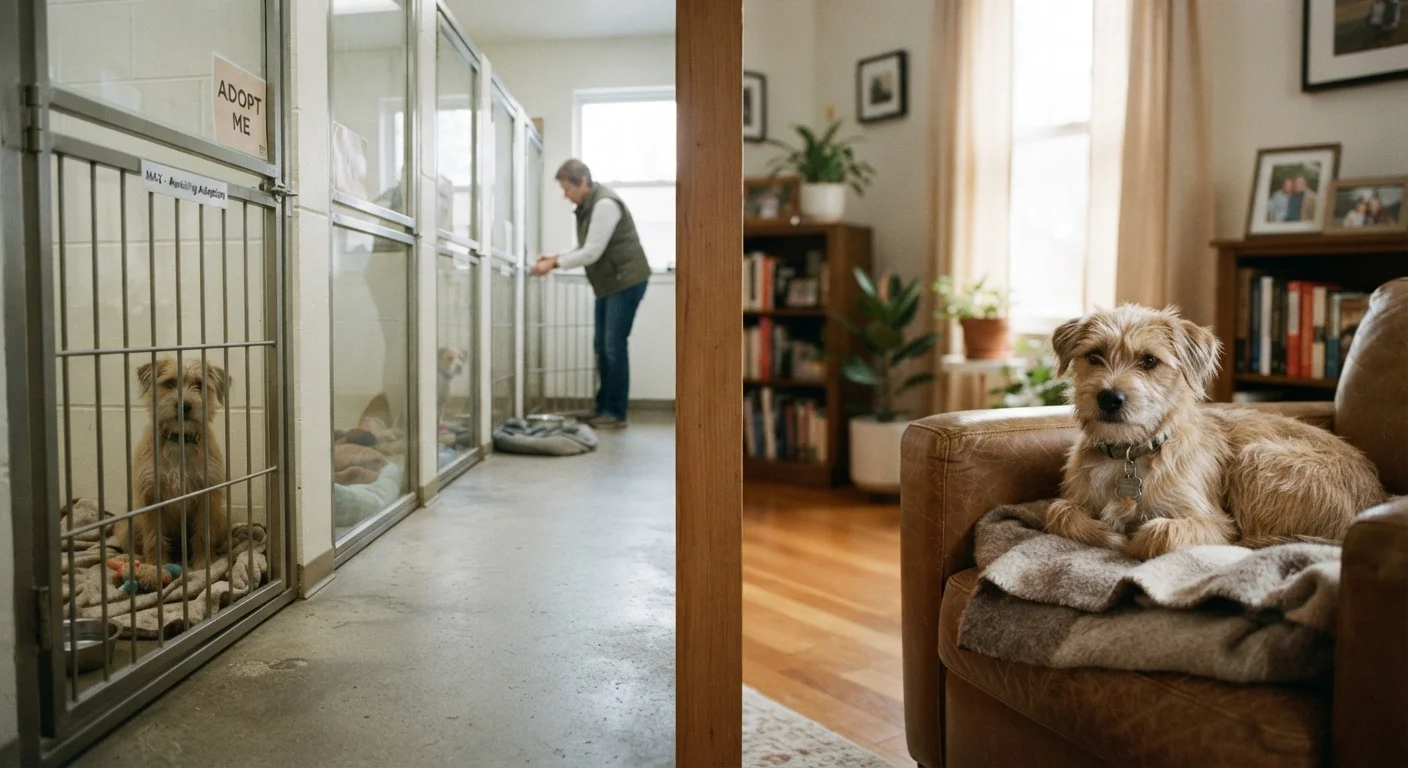
Key Takeaways
Option A
Adopting from a Shelter or Rescue
The community-minded, second-chance choice.
Best for: Owners open to a mixed breed or adult animal who want to give a displaced pet a permanent home.
Option B
Buying from a Breeder
The predictable, breed-specific route.
Best for: Owners with precise lifestyle requirements who want detailed health history and known breed traits from puppyhood.
If you want to give a displaced animal a second chance
Adopting from a Shelter or Rescue
Shelters hold millions of animals awaiting homes each year. Adoption directly reduces that number and often connects you with a well-socialized adult animal.
If you have very specific breed or size requirements for your household
Buying from a Breeder
A responsible breeder can provide documented breed history, health screenings, and predictable adult temperament, which matters in households with children or allergy concerns.
If upfront cost is a significant constraint
Adopting from a Shelter or Rescue
Adoption fees generally range from $50 to a few hundred dollars and often include initial vaccinations, microchipping, and spay/neuter - substantially less than most breeders charge.
If you are a first-time owner who wants breed-specific guidance and early socialization
Buying from a Breeder
Ethical breeders typically provide ongoing support, detailed care instructions, and early socialization protocols that can ease the transition for new owners.
If you want a specific breed but prefer the adoption route
Adopting from a Shelter or Rescue
Breed-specific rescue organizations exist for most popular breeds, offering a middle path between the predictability of a known breed and the values of adoption.
Understanding the Two Paths to Pet Ownership
Deciding how to bring a new animal into your life is one of the most consequential steps of pet ownership - and the choice between adopting from a shelter and buying from a breeder involves more than price or preference. Each path carries distinct implications for cost, predictability, and the animal's background. Before anything else, read our comprehensive guide for first-time pet owners to understand what life with a new pet truly involves.
Shelters and rescue organizations house animals that have been surrendered, found as strays, or transferred from overcrowded facilities. These animals vary widely in age, breed mix, and history. In contrast, buying from a breeder means acquiring an animal - typically a puppy or kitten - whose parentage, health testing, and early environment are documented and controlled by one party.
Neither option is inherently superior. What matters is the match between the animal's needs and your realistic capacity to meet them.
| Criterion | Shelter Adoption | Buying from a Breeder |
|---|---|---|
| Typical upfront cost | $50-$300 (often includes vaccines, microchip) | $500-$3,000+ (varies by breed) |
| Known health history | Often limited or unknown | Documented lineage and health testing |
| Age of animal | All ages available, adults common | Usually puppies or kittens |
| Breed predictability | Often mixed breed; varies widely | High - breed traits well-documented |
| Spay/neuter status | Usually already done | Often the owner's responsibility |
| Behavioral history | Shelter assessments available; past uncertain | Controlled early socialization by breeder |
| Ongoing breeder support | Not applicable | Often provided by reputable breeders |
What Shelter Adoption Actually Involves
Most shelter adoptions begin with an application and, in many cases, a brief interview or home-visit requirement. Reputable shelters conduct behavioral assessments and provide whatever health history they have - including any vaccinations, microchipping, or spay/neuter procedures completed before adoption. These services are usually bundled into the adoption fee, which meaningfully reduces your immediate costs.
The primary uncertainty with shelter animals is history. Staff can share observed behavior, but early life experiences - socialization, trauma, prior training - are often unknown. That said, many shelter animals are surrendered by families due to life changes, not behavioral problems, and arrive already housetrained and comfortable around people.
6.3M
Animals entering U.S. shelters annually
The ASPCA estimates approximately 6.3 million companion animals enter U.S. shelters each year, roughly split between dogs and cats.
~4.1M
Shelter animals adopted each year
Of animals entering shelters, the ASPCA estimates around 4.1 million are adopted annually in the United States.
Adult animals from shelters can be a particularly strong fit for people who want to skip the intense early demands of puppyhood or kittenhood. For perspective on why some adoptions don't work out - and how to avoid those outcomes - see our article on preventable reasons pets are returned to shelters.
What Buying from a Breeder Actually Involves
A responsible, ethical breeder health-tests breeding pairs, selects for stable temperament, and begins socializing litters before they are placed. Buyers typically receive documentation of vaccinations, a health guarantee, and details about the parents' health screenings - such as hip evaluations or genetic panel results relevant to the breed. This transparency reduces certain medical surprises down the line, though it does not eliminate health risk entirely.
The financial investment is considerably higher. Purchase prices for well-bred purebred dogs and cats can range from several hundred to several thousand dollars depending on breed and lineage - before accounting for initial veterinary visits, supplies, and training.
Breed-Specific Rescues: A Middle Path
If you have your heart set on a particular breed but prefer the adoption route, breed-specific rescue organizations are worth exploring. These nonprofits focus on a single breed or breed group, pulling dogs and cats from shelters or accepting owner surrenders. Animals in these rescues often live in foster homes, giving coordinators detailed insight into behavior and temperament before placement. Most breeds - from Golden Retrievers to French Bulldogs - have at least one active national rescue network.
It is also worth distinguishing reputable breeders from high-volume commercial operations. Responsible breeders limit litter frequency, prioritize animal welfare over output, and typically interview prospective buyers carefully. The ASPCA and AVMA both encourage prospective owners to visit facilities in person and ask detailed health and welfare questions before committing.
Making a Decision That Fits Your Life
The right choice depends heavily on your household, experience level, and what you genuinely want in an animal companion. Consider your living situation - renters face additional constraints such as breed or size restrictions that may narrow your options. Consider also how pet needs will shift across life stages by exploring pet ownership across every life stage.
Once you bring an animal home - regardless of where they came from - the daily responsibilities are identical. Ongoing veterinary care, proper nutrition, and appropriate training apply universally. Our pet care basics hub and pet health hub offer practical guidance for both new and experienced owners. You may also want to understand procedures like spaying and neutering that are relevant regardless of how you acquire your pet.
This article provides general educational information about pet ownership options and is not a substitute for guidance from a licensed veterinarian or certified animal behaviorist. Individual animals and circumstances vary; consult qualified professionals when making decisions about a specific animal's care.