

Key Takeaways
Why Pets Are Returned - And Why It Matters
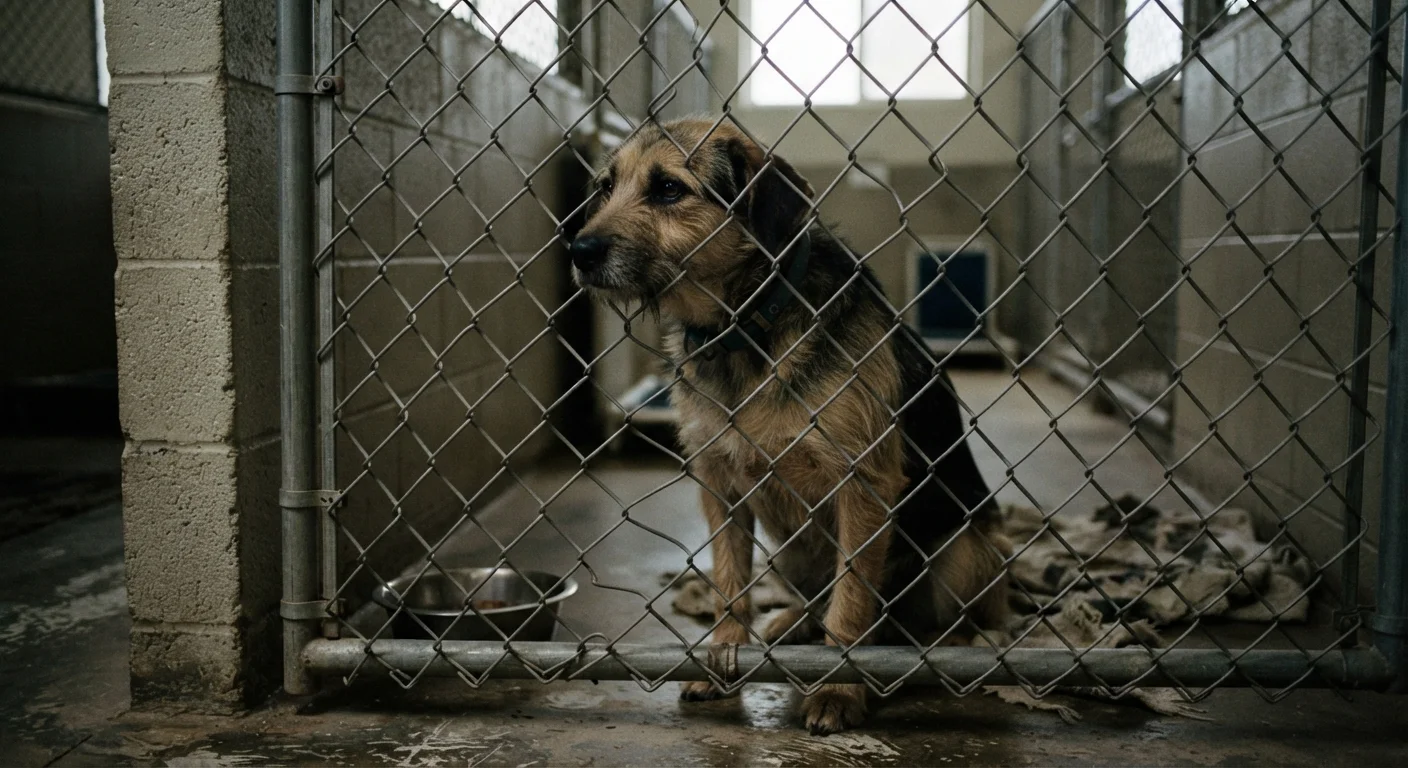
Animal shelters across the United States receive millions of owner surrenders every year. While some returns are genuinely unavoidable - a major health crisis, a death in the family - a substantial portion stem from mismatches and oversights that could have been identified before adoption day. Understanding these patterns isn't about blame; it's about giving both people and animals a better chance at a lasting relationship.
The consequences of a return extend beyond inconvenience. Rehomed animals often experience stress, behavioral regression, and reduced adoptability with each transition. For prospective owners, an honest look at these common mistakes - before signing adoption paperwork - is one of the most responsible things you can do. If you're still weighing your options, our overview of adopting vs. buying a pet can help frame the broader decision.
~3.1M
Dogs entering U.S. shelters annually
According to the ASPCA, approximately 3.1 million dogs enter U.S. animal shelters every year, with a notable share arriving as owner surrenders.
Top reason
Lifestyle issues cited in owner surrenders
Studies of shelter surrender records consistently identify lifestyle incompatibility - including housing, time, and behavior - as among the most frequently cited reasons for returning a pet.
The Most Common Preventable Mistakes
The mistakes below represent recurring patterns seen in shelter surrender data and reported by animal welfare professionals. Each one is avoidable with preparation and honest self-reflection.
Choosing a pet based on appearance or emotional impulse rather than lifestyle fit.
Why it happens: Adorable photos and feel-good adoption stories create strong emotional pulls that override practical thinking, especially for first-time owners.
Underestimating the true financial cost of pet ownership.
Why it happens: Many prospective owners budget for food and routine vet visits but overlook emergency care, dental cleanings, grooming, boarding, and medications - costs that can add up to thousands of dollars annually.
Failing to verify pet policies with a landlord before adopting.
Why it happens: Renters sometimes assume their landlord will accept a pet, or believe they can sort out the details after the fact - only to face eviction threats or lease violations.
Assuming behavioral problems will resolve on their own without intervention.
Why it happens: New owners often expect pets - especially young ones - to naturally settle in and behave well. When unwanted behaviors persist or escalate, frustration builds quickly.
Not preparing other household members - including existing pets - for the new arrival.
Why it happens: The adopter may be enthusiastic, but a partner, child, or resident pet who wasn't included in the decision can become a source of serious conflict.
Overestimating available time for care, exercise, and companionship.
Why it happens: People often adopt during a period of flexibility - a job change, school break, or remote-work stretch - without accounting for how their schedule will look six months later.
Don't Adopt Impulsively After Seeing a Photo
Online adoption listings and social media posts can make any animal look irresistible. Decisions made purely on appearance - without researching breed traits, energy needs, or care requirements - are a leading driver of returns. Visiting an animal in person, ideally more than once, gives you a far more accurate picture of compatibility.
For a fuller picture of what pet ownership actually demands day-to-day, see our guide on pet care basics - from nutrition and grooming to training fundamentals.
Making a Decision You Can Stand Behind
Responsible ownership starts well before an animal sets foot in your home. Use the shelter's expertise: ask staff direct questions about the animal's energy level, history, known triggers, and behavior around children or other pets. Many shelters offer trial foster periods specifically to help both parties assess fit under real conditions.
Shelter Returns Affect Animals Deeply
Repeated rehoming is stressful for animals and can worsen behavioral issues, making future adoption harder. Before bringing any pet home, treat the decision with the same seriousness you would any long-term commitment. If you're uncertain, ask shelter staff to help you assess fit honestly - that conversation costs nothing and can prevent real harm.
Once you bring a pet home, the work continues. Responsible pet ownership from day one covers the veterinary, socialization, and licensing steps that set a new animal up for a stable, healthy life. And if the broader mindset around pet commitment is something you're thinking through, common myths about pet ownership addresses the expectations that most often catch new owners off guard.
This article is for general informational purposes only and does not constitute veterinary or professional animal behavior advice. Consult a licensed veterinarian or certified animal behaviorist for concerns specific to your pet.