
What 'Matter' Means for Smart Home Compatibility - and Why It Matters to Ordinary Homeowners

Key Takeaways
Matter (Smart Home Standard)
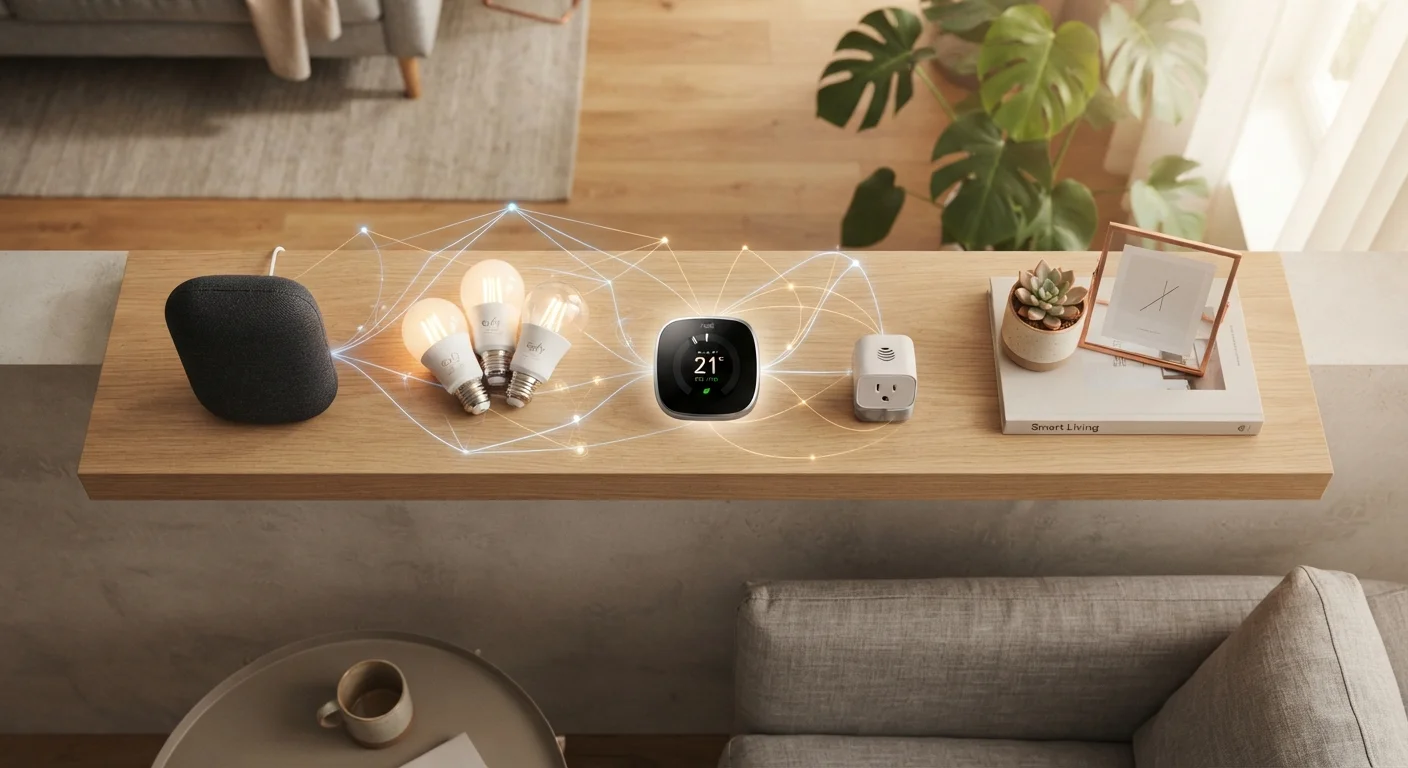
Matter is a universal connectivity standard that lets smart home devices from different brands communicate with each other without extra adapters or workarounds. It was created by a large industry alliance - including Apple, Google, Amazon, and Samsung - to eliminate the frustrating ecosystem lock-in that has long plagued smart home shoppers. A device with Matter support should, in theory, work with any Matter-compatible hub or voice assistant.
Matter operates over Wi-Fi and Thread (a low-power mesh networking protocol) and uses IPv6 for device communication. It is maintained by the Connectivity Standards Alliance (CSA), formerly known as the Zigbee Alliance.
The Problem Matter Was Built to Solve
For years, buying smart home devices felt like choosing a team you could never leave. A bulb that worked with Amazon Alexa might not respond to Google Home. A thermostat that integrated beautifully with Apple's ecosystem might be invisible to anything else. The result was a fragmented experience - multiple apps, mismatched routines, and devices that simply refused to cooperate.
This frustration wasn't accidental. Device makers had strong commercial incentives to keep users inside their own ecosystems. But as the smart home market matured, it became clear that fragmentation was holding the whole category back. Shoppers were hesitant to invest in devices they might have to abandon if they switched platforms.
Matter was developed precisely to address this. By agreeing on a shared technical language, major manufacturers made it possible for devices to communicate across ecosystem boundaries. Think of it like a power outlet standard - a lamp with a standard plug works in any compatible socket, regardless of who made the lamp or the socket.
Matter Is a Standard, Not a Brand
Matter is not a product you purchase or a service you subscribe to - it's a technical specification that device manufacturers choose to build into their products. When a device is described as 'Matter-compatible' or 'Matter-certified,' it means the manufacturer has built and tested the device against that shared specification. The standard itself is free and open, managed by the Connectivity Standards Alliance.
What Matter Actually Does in Practice
From a homeowner's perspective, Matter has three practical effects worth understanding.
- Easier setup: Matter devices are designed to be discovered and added to your network quickly, often with a single scan of a QR code, without needing to download a brand-specific app first.
- Multi-platform control: A single Matter-certified smart lock, for example, can be added to both Apple Home and Google Home simultaneously. You don't have to choose one or the other - both controllers can manage the same device.
- Reduced ecosystem dependency: If you switch from one smart assistant to another, Matter-compatible devices are more likely to travel with you rather than becoming unusable.
These benefits are most visible when you're adding new devices to an existing setup. For a deeper look at how ecosystems compare before you commit, see Choosing Between Smart Home Ecosystems.
200+
Companies in the Matter alliance
The Connectivity Standards Alliance, which oversees Matter, includes over 200 member companies spanning major tech platforms and device manufacturers.
4
Major ecosystems Matter bridges
Amazon Alexa, Apple Home, Google Home, and Samsung SmartThings are all primary Matter controller platforms, meaning a single certified device can potentially work with any of them.
Thread
Low-power protocol used alongside Wi-Fi
Matter devices can communicate over Wi-Fi or Thread, with Thread particularly suited to battery-powered devices like sensors and locks due to its low energy consumption.
What Matter Doesn't Fix - At Least Not Yet
Matter is a genuine step forward, but it's worth being clear-eyed about its current limits. Not every device category is covered. As of the standard's early rollout, support is strongest for lighting, outlets, switches, thermostats, door locks, and window blinds. More complex categories - like security cameras, robot vacuums, and appliances - are being added over time but aren't fully standardized yet.
Compatibility also isn't guaranteed just because a device says "works with Matter." Some advanced features - custom scheduling, energy monitoring dashboards, or specific automation triggers - may only be available through the manufacturer's own app. Matter handles the basics reliably; proprietary apps still handle the extras.
It's also worth noting that Matter doesn't directly address security on its own. Keeping devices updated and your home network properly configured remains important. Keeping Smart Home Devices Secure Over Time covers the habits that make the biggest difference.
Check for the Matter Logo Before You Buy
When shopping for smart home devices, look for the Matter certification mark on the box or in the product listing. This indicates the device has passed standardized compatibility testing. While it's not a guarantee of every feature working on every platform, it's a reliable sign that basic setup and control will work across major ecosystems.
What This Means When You're Buying New Devices
For everyday homeowners making purchasing decisions, Matter gives you one useful new data point: the Matter logo indicates that a device has passed certification testing and should work reliably across supported platforms. It doesn't guarantee a perfect experience, but it meaningfully lowers the risk of buying something you'll later regret.
If you're early in building a smart home setup, prioritizing Matter-certified devices gives your system more flexibility down the road. If you already have devices that work well, there's no urgent reason to replace them - Matter compatibility is a useful feature to prioritize the next time you're adding something new.
For a broader look at the terminology you'll encounter - including how Thread, Zigbee, and Z-Wave relate to Matter - Smart Home Terminology Every Homeowner Should Know is a helpful companion read. And if you're thinking about which devices actually earn a place in your home, Home Tech That Earns Its Place takes an honest look at what solves real problems.