
Vehicle Maintenance Records: Why Keeping Them Matters More Than Most Drivers Realize

Key Takeaways
What a Maintenance Record Actually Is
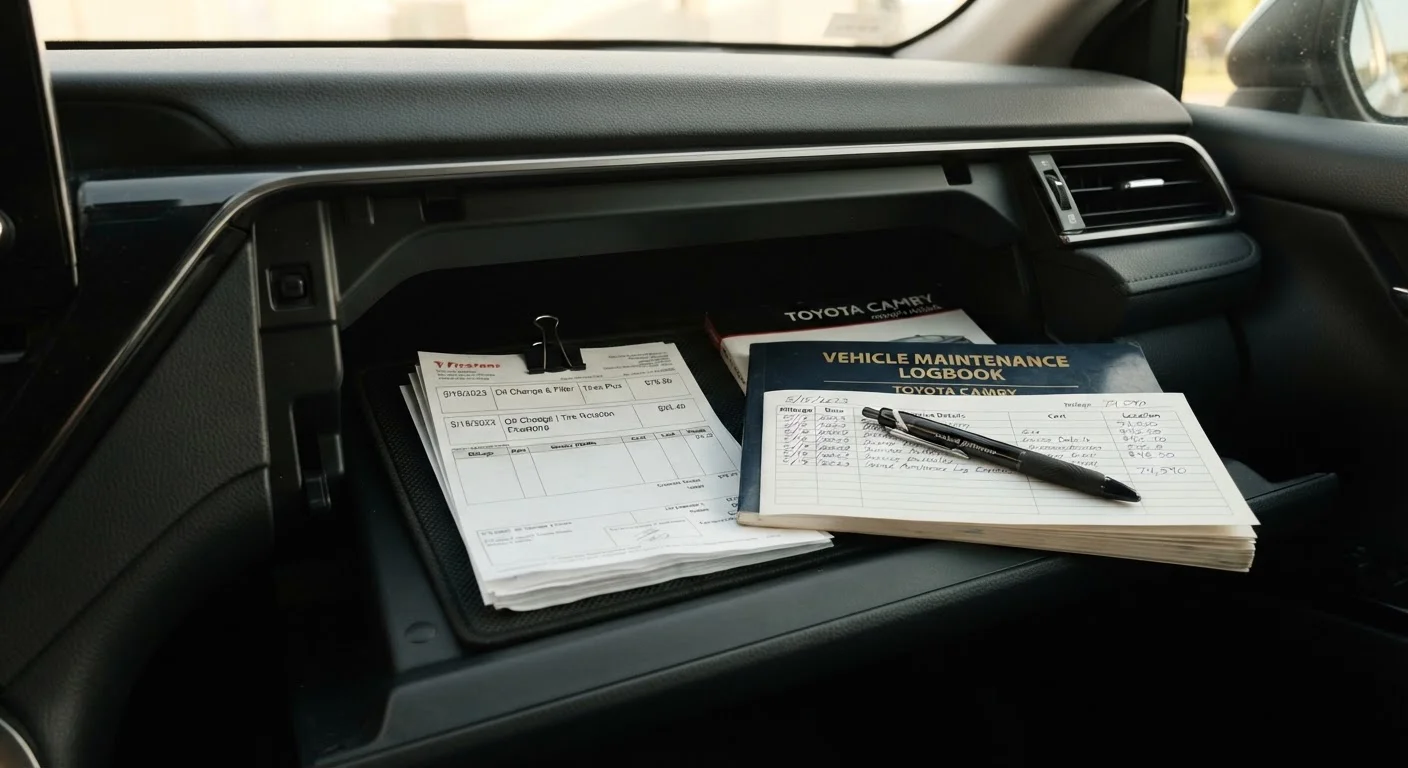
A vehicle maintenance record is a running log of every service performed on your car - oil changes, tire rotations, brake inspections, fluid flushes, filter replacements, and any unscheduled repairs. It includes the date of service, the mileage at the time, what was done, who did it, and what it cost.
Most drivers receive receipts at the shop but toss them within weeks. That's a missed opportunity. Each receipt is a data point that, accumulated over time, tells the story of how a vehicle has been treated. A mechanic diagnosing a recurring problem, a prospective buyer evaluating a used car, or a warranty administrator reviewing a claim will all benefit from that story being documented and accessible.
Think of your service records as the vehicle's medical chart. Just as a doctor needs to know your history before treating you, a technician benefits from knowing what's already been done - and when. For more on ownership fundamentals, see the Car Ownership hub.
Best Practices for Tracking and Organizing Records
Establishing a reliable records habit doesn't require sophisticated tools - it requires consistency. The following practices represent a sound baseline for any driver.
Keep every service receipt, even for minor items
Small services like cabin air filter replacements or wiper blade changes are easy to forget, but they matter in aggregate. A complete record - not a selective one - gives the clearest picture of the vehicle's care history.
Record the odometer reading at every service visit
Many maintenance intervals are mileage-based rather than time-based. Without mileage data, it's difficult to know when a service is next due or to verify that intervals were respected.
Use a single, dedicated location for all records
Scattered records - some in the car, some at home, some in email - are nearly as problematic as no records at all. Consolidation is what makes a history usable when you need it quickly.
Note what was recommended but deferred
Technicians often flag items that aren't urgent but will need attention soon. Tracking these recommendations helps you plan ahead and ensures nothing falls through the cracks at the next visit.
Cross-reference records against your owner's manual schedule
The manufacturer's maintenance schedule defines the baseline for proper upkeep. Comparing your records against it helps you catch missed intervals before they become problems - or warranty issues.
For drivers managing higher-mileage vehicles, where documentation of past services becomes especially critical, see our guide on what changes after 100,000 miles.
Why Records Matter When You Sell
When the time comes to sell or trade in your vehicle, a complete maintenance history is one of the strongest signals of responsible ownership you can offer. Private buyers and dealerships alike recognize that a car with documented service is a lower-risk purchase.
Up to $500
Potential resale value gained with documented history
Industry estimates from automotive research organizations suggest that a verifiable, complete service record can add meaningfully to a used vehicle's asking price, particularly for older cars.
1 in 3
Used car buyers who cite service history as a top priority
Consumer surveys conducted by automotive research groups consistently show that documented maintenance ranks among buyers' top considerations when evaluating a used vehicle.
Depreciation is an unavoidable part of car ownership, but condition and documented care can influence where your vehicle lands on the value spectrum. Our article on vehicle depreciation explains how these factors interact.
“The cars that hold their value best over time are almost always the ones with owners who treated maintenance as an investment rather than an expense - and kept the paperwork to prove it.”
— Jack Nerad, Automotive journalist and former editorial director at Kelley Blue Book
Records in the Context of Warranties and Disputes
Manufacturer warranties and extended service contracts often require proof that scheduled maintenance was performed at the intervals specified in the owner's manual. If a covered component fails and you cannot demonstrate that relevant services were completed on time, a warranty claim may be denied or disputed.
Warranty Maintenance Requirements Vary
Each manufacturer and extended warranty provider has its own documentation requirements. Some require service to be performed at authorized dealerships; others accept receipts from independent shops as long as the work meets the specified standards. Review your warranty agreement carefully, and retain receipts that clearly identify the shop, the service performed, the mileage, and the date. When in doubt, ask the warranty provider directly what documentation they require before a claim arises.
The same principle applies to insurance. While auto insurers don't typically audit your maintenance history, records can become relevant if a mechanical failure contributes to an accident and questions arise about vehicle condition. Keeping your coverage in order goes hand-in-hand with keeping your car in order - see how to keep your auto insurance policy current.
Routine documentation also pairs naturally with seasonal upkeep. If you're preparing for temperature extremes, our seasonal car maintenance guide outlines what to inspect and when.
This article is for general informational purposes only. Consult a qualified mechanic for advice specific to your vehicle's condition and needs.