

Autos & Driving

Seasonal Car Maintenance: Preparing Your Vehicle for Winter and Summer

Share
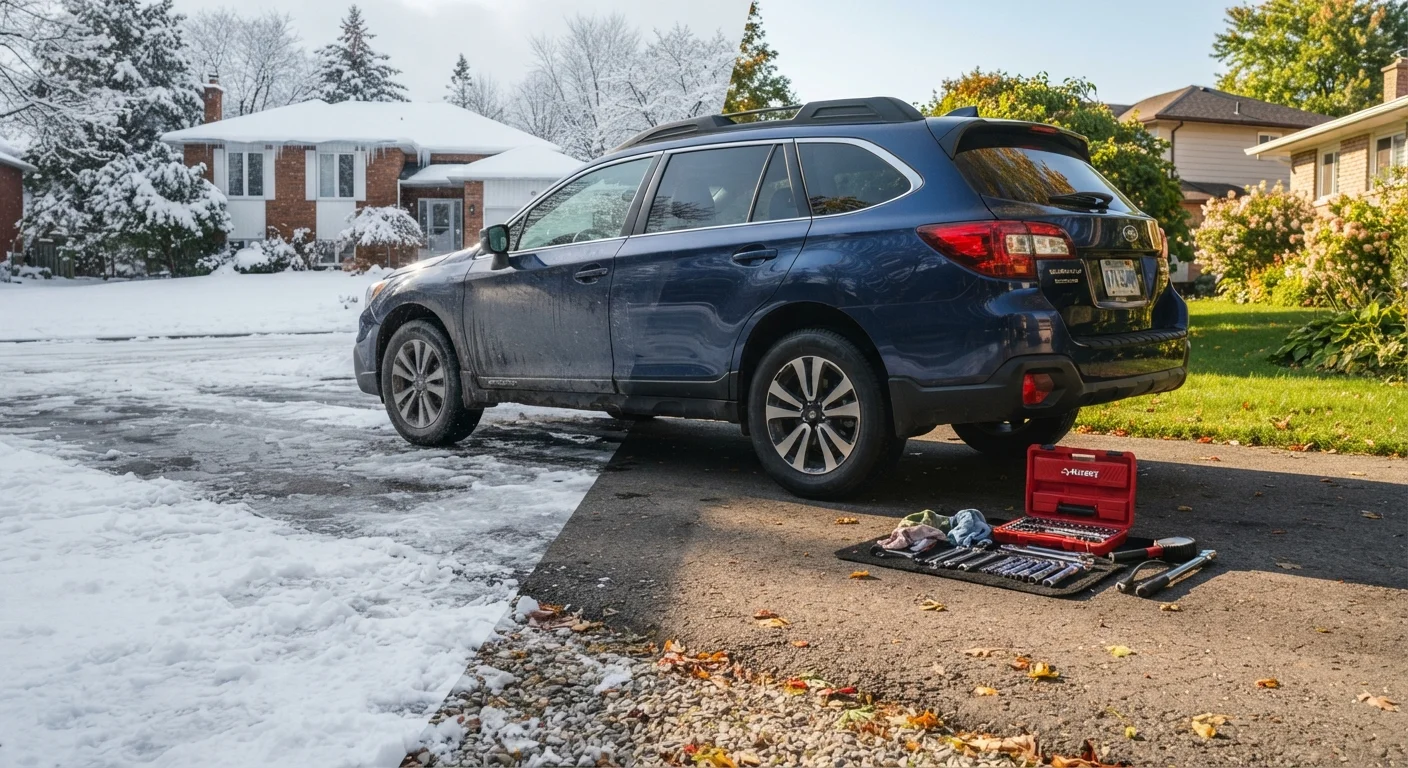
Car on driveway showing split winter and summer seasonal conditions with maintenance tools nearby

Key Takeaways

Cold weather strains batteries, thickens fluids, and deflates tires — all of which need attention before winter arrives.
Summer heat accelerates coolant breakdown and tire wear, making fluid and tire checks critical in warm months.
Many seasonal checks can be done at home; others should involve a qualified mechanic for safety-critical components.
Keeping a maintenance log helps you track what was done and catch recurring issues before they become expensive.
45–90 min

Summary

20 items · 45–90 minutes

Why Seasonal Preparation Matters

Temperature extremes are among the most consistent stressors your vehicle faces. A battery that functions adequately in mild weather may fail in single-digit cold. Tires inflated correctly in October lose measurable pressure as winter temperatures fall. Coolant that handled last summer's heat may be degraded by the time the next one arrives. These aren't hypothetical scenarios — they're predictable, seasonal patterns that proactive maintenance can address before they strand you on the road.

This checklist separates winter and summer preparation into distinct groups, because each season demands different attention. Work through the relevant section a few weeks before temperatures shift, giving yourself time to schedule any repairs. For a broader view of year-round upkeep, see our annual car maintenance checklist.

Winter Preparation

Test your battery's cold-cranking amps (CCA) at a shop or with a battery tester — cold weather dramatically reduces battery output, and a marginal battery that starts fine in fall may fail at 20°F. Must
Check tire tread depth and consider winter or all-season tires if you live in an area with regular snow or ice — all-season tires have limits in severe winter conditions. Must
Inflate tires to the manufacturer's recommended PSI, accounting for pressure loss — tire pressure drops roughly 1 PSI for every 10°F decrease in ambient temperature. Must
Inspect and top off antifreeze (engine coolant), verifying the freeze protection level matches your climate's lowest expected temperatures using an inexpensive coolant tester. Must
Check wiper blades and replace them with winter-rated blades designed to handle snow and ice buildup without streaking. Must
Refill windshield washer fluid with a winter-formula blend rated to at least -20°F — standard summer fluid will freeze in the reservoir and lines. Must
Inspect your brakes — stopping distances increase on cold, wet, or icy roads, and worn pads or rotors compound that risk significantly. Must
Verify all exterior lights work correctly, including headlights, brake lights, and turn signals — winter means shorter daylight hours and reduced visibility. Should
Check the condition of engine belts and hoses, as cold temperatures make rubber components more prone to cracking. Should
Assemble or refresh a winter emergency kit in your trunk: ice scraper, jumper cables or jump starter, blanket, small shovel, and traction mats. Nice to have

Summer Preparation

Inspect the cooling system — check coolant level, test the coolant's condition, and look for leaks at hoses and the radiator cap, since engine overheating is a leading cause of summer breakdowns. Must
Check engine oil level and condition; consult your owner's manual to see if a higher-viscosity oil is recommended for sustained high-temperature driving. Must
Test your air conditioning system early in the season — a refrigerant recharge or component repair can take time to schedule, and a failing A/C in extreme heat is a health risk, not just a comfort issue. Must
Inspect tires for wear, sidewall cracking, and correct inflation — hot pavement accelerates tire wear, and an overinflated or worn tire is at greater risk of a blowout. Must
Check the battery, even in summer — heat actually degrades batteries faster than cold does over time, shortening their service life. Must
Inspect wiper blades and replace if cracked or smearing — summer thunderstorms demand reliable blade performance. Should
Check brake fluid level and condition; heat can cause brake fluid to absorb moisture more quickly, reducing its boiling point and braking effectiveness. Should
Clean or replace the engine air filter if it's dirty — a clogged filter reduces fuel efficiency and engine performance, both of which worsen in summer heat. Should
Check the cabin air filter and replace it if it's clogged to ensure your A/C system flows effectively and cabin air quality remains acceptable. Should
Pack a summer emergency kit: water, sunscreen, a reflective emergency triangle, and a fully charged portable phone charger. Nice to have

Tools and Resources You'll Need

Most of these checks require only basic tools and a well-lit space. A few — particularly battery load testing and brake inspection — are best left to a qualified mechanic. The tool list below covers what a typical driver will need to complete the at-home portions of this checklist.

Required

Tire pressure gauge

Accurately measure tire pressure before inflating to the manufacturer's recommended PSI.

Required

Coolant/antifreeze tester

Check the freeze protection level of your coolant to confirm it's adequate for your climate's expected lows.

Required

Battery load tester

Test whether your battery can deliver adequate cranking power, especially before winter.

Required

Flashlight or work light

Illuminate the engine bay and undercarriage for fluid and belt inspections.

Optional

Portable jump starter

Provide emergency starting power if your battery fails — useful year-round, especially in winter.

Required

Owner's manual

Reference fluid specifications, recommended service intervals, and manufacturer guidance specific to your vehicle.

If you're unfamiliar with your vehicle's fluid system, our guide on car fluids every driver should know about explains what each fluid does and how to locate it under the hood.

Getting the Most from This Checklist

Run through the relevant seasonal section four to six weeks before temperatures typically peak or bottom out in your region. That window gives you time to order parts, schedule a shop visit, or address anything that needs professional attention without rushing. Once you've completed each task, log it — date, mileage, and what was done. Our article on keeping vehicle maintenance records explains why that paper trail matters more than most drivers assume.

Don't Skip Professional Brake and Suspension Checks

Brakes and suspension components are safety-critical systems. While visual checks — looking for thin pads or uneven tire wear — can flag obvious problems, a qualified mechanic with a lift can inspect components you simply cannot see from above. If you notice squealing, grinding, pulling to one side, or a spongy brake pedal, schedule a professional inspection promptly, regardless of season.

Drivers who want to go deeper on tire-specific maintenance — including rotation intervals and alignment checks — can find practical guidance in our breakdown of tire rotation, balancing, and alignment. And once your vehicle is prepped, adjusting your driving for rain, snow, and ice covers the behavioral side of staying safe in seasonal conditions.

Engine Overheating Can Cause Permanent Damage

If your temperature gauge climbs into the red or an overheating warning activates, pull over safely as soon as possible and turn off the engine. Do not open the radiator cap while the engine is hot — pressurized coolant can cause serious burns. Allow the engine to cool completely before inspecting fluid levels, and have the vehicle towed if you cannot confirm the cause and address it safely.

Autos & Driving Editorial Team is the collective byline for our editorial team and contributor network. Articles published under this byline or an editorial pen name are researched, written, and reviewed according to our editorial standards for clarity, consistency, and independence before publication.

View all articles by Autos & Driving Editorial Team →
Disclaimer: The content on this site is for informational purposes only and is not a substitute for professional advice. Always consult a qualified professional for guidance specific to your situation.