

Key Takeaways
Why Routine Maintenance Is the Smartest Investment You Can Make in Your Car
A vehicle that receives consistent, scheduled care routinely outlasts one that's only serviced when something goes wrong. The difference isn't luck - it's maintenance. Routine upkeep slows wear, catches developing problems before they become failures, and keeps every system operating within its designed tolerances.
The financial case is straightforward: an oil change costs a fraction of what an engine rebuild runs. A tire rotation costs far less than a set of unevenly worn tires replaced ahead of schedule. Preventive maintenance shifts money away from emergency repairs and toward predictable, manageable expenses.
For a deeper look at how driving habits and ownership patterns interact with vehicle lifespan, see our article on factors that affect how long a car stays reliable. The maintenance practices below form the foundation every driver should build on.
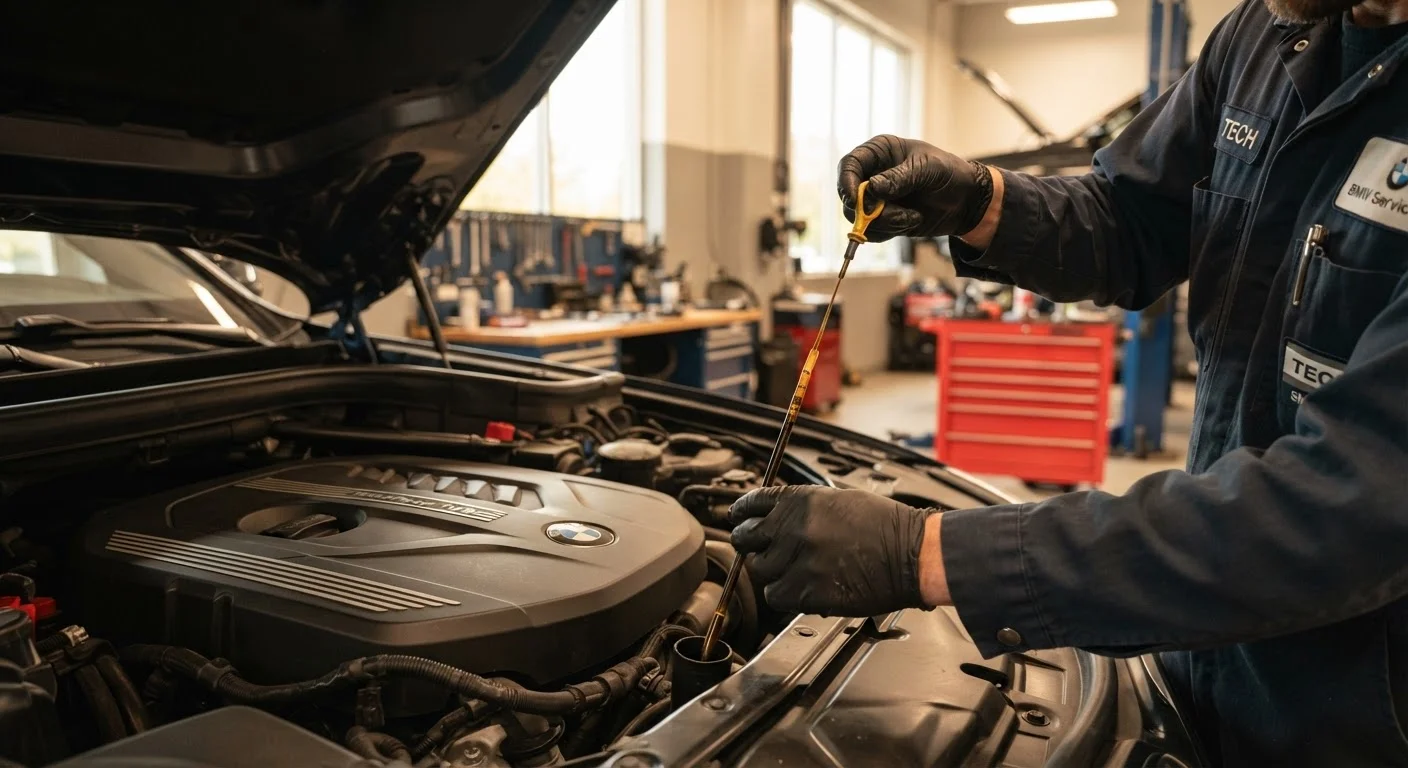
Change your engine oil on the schedule your owner's manual specifies.
Engine oil lubricates moving metal parts and carries heat away from the engine. As oil ages, it breaks down and accumulates contaminants that accelerate wear. Following the manufacturer's specified interval - not a generic rule - keeps lubrication effective and engines running cleanly.
Rotate your tires every 5,000 to 7,500 miles, or as your manual recommends.
Front and rear tires wear unevenly because of differences in steering, braking, and weight distribution. Regular rotation evens out wear patterns, extending overall tire life and maintaining balanced handling. Uneven wear can also mask alignment problems worth catching early.
Inspect and top off all critical fluids at every oil change.
Coolant, brake fluid, power steering fluid, and transmission fluid each serve distinct functions, and all degrade over time. Low or contaminated fluid levels strain the systems they serve and can cause failures ranging from brake fade to transmission damage. A quick inspection costs nothing.
Check tire pressure monthly and before long trips.
Tires lose roughly one PSI per month under normal conditions and drop further as temperatures fall. Underinflated tires wear faster, reduce fuel economy, and handle poorly in emergencies. The correct pressure is on the door jamb sticker - not the maximum listed on the tire sidewall.
Replace air filters - engine and cabin - on schedule.
A clogged engine air filter restricts airflow to the engine, reducing efficiency and potentially increasing fuel consumption. A clogged cabin air filter reduces HVAC effectiveness and air quality inside the vehicle. Both are typically inexpensive parts with straightforward replacement intervals.
Have your brakes inspected annually or whenever you notice changes in stopping behavior.
Brake pads and rotors wear gradually and give warning signs - squealing, grinding, or longer stopping distances - before they fail outright. Catching worn pads before they damage rotors is a significant cost saving, and functional brakes are fundamental to safety.
Quick Wins You Can Act On Today
Not every maintenance task requires a shop visit or a full afternoon. Several high-impact checks take just a few minutes and require no special tools. Starting with these builds the habit of attention your vehicle needs over the long term.
For guidance on which of these tasks are genuinely DIY-friendly and which carry real risk when done incorrectly, our article on DIY car maintenance vs. taking it to a shop breaks it down clearly.
Building a Maintenance Schedule That Works
No single universal schedule fits every vehicle. Manufacturer recommendations - found in your owner's manual - account for your specific engine, transmission, cooling system, and intended use. These recommendations supersede generic advice like "change your oil every 3,000 miles," which may be outdated for modern synthetic-oil engines rated for 7,500 to 10,000 miles between changes.
Your Owner's Manual Overrides Generic Advice
Manufacturer-specified intervals are tested to the tolerances of your specific engine, drivetrain, and lubricants. Generic rules of thumb - like the old "3,000-mile oil change" - were developed for older engine technology and conventional oil. Modern synthetic oils and tighter engineering tolerances often allow significantly longer intervals. When in doubt, the manual is the authoritative source; your dealership's service department or an independent mechanic can also clarify recommendations for your vehicle.
Keeping thorough records of every service interval makes it significantly easier to stay on schedule and proves maintenance history if you ever sell the vehicle. Our guide to vehicle maintenance records explains what to track and why it matters more than most drivers realize.
If your vehicle is approaching or past 100,000 miles, some maintenance priorities shift. Components like timing belts, spark plugs, and coolant hoses may need attention on a different cadence. See our article on high-mileage vehicle maintenance for specifics. For a comprehensive year-round reference, the annual car maintenance checklist covers every major system so nothing gets overlooked.
~$100
Typical cost of a routine oil change
Industry estimates consistently show that skipped oil changes leading to engine damage can cost $3,000-$8,000 or more in repairs - making routine service one of the highest-return automotive habits.
25%
Fuel economy loss from underinflated tires
The U.S. Department of Energy has noted that tires underinflated by just 1 PSI can reduce fuel economy by roughly 0.2%, with compounding losses across all four tires.
This article provides general vehicle maintenance information for educational purposes. Always consult your owner's manual and a qualified mechanic for guidance specific to your vehicle's make, model, and condition.