

Pets & Animals

Your New Pet's First Week Home: A Room-by-Room Preparation Checklist

Share
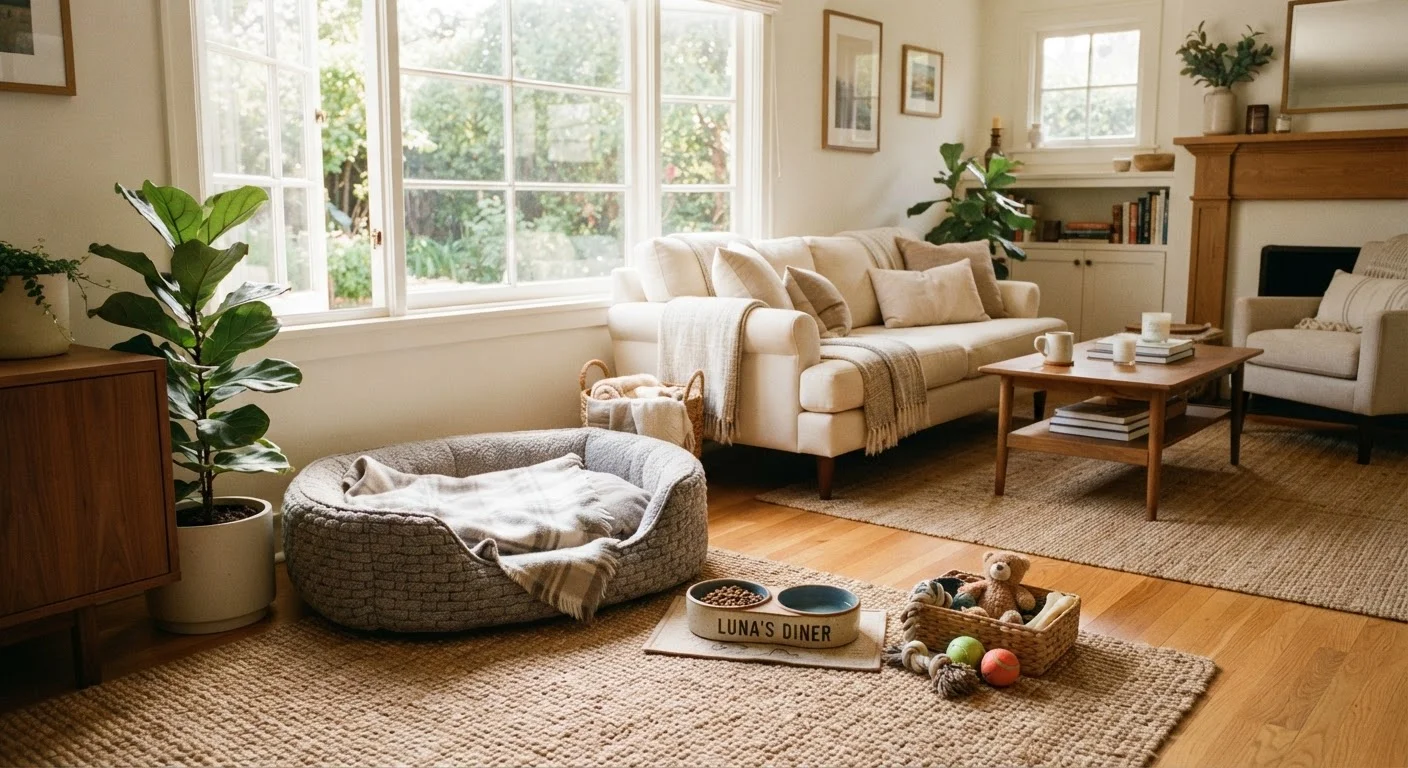
A tidy living room prepared for a new pet with a bed, bowls, and toys on the floor

Key Takeaways

Walk every room before your pet arrives to identify and remove physical hazards.
Designate a quiet, low-traffic space as your pet's initial safe zone to reduce first-week stress.
Secure toxic plants, cleaning products, and small ingestible objects before bringing your pet home.
Schedule a veterinary exam within the first week, regardless of prior health records.
Consistent feeding times and bathroom routines from day one build lasting good habits.
60–120 min

Summary

24 items · 1–2 hours

Why Room-by-Room Preparation Matters

Bringing a new pet home is exciting — but the first seven days are also among the most stressful your animal will experience. New sights, smells, and sounds can overwhelm even a confident dog or cat. A home that isn't properly prepared can turn that stress into injury, escape, or ingested hazards before you realize anything went wrong.

This checklist is designed to walk you through your home systematically, so nothing is left to chance. Whether you're adopting a puppy, an adult dog, a kitten, or a cat, the fundamentals of a safe, organized space are largely the same. For a broader look at whether your space is genuinely ready, see our home-readiness guide.

Work through each room before your pet arrives, not after. It's far easier to child-proof a cabinet than to deal with a poisoning scare on day two.

Required

Pet-proof cabinet latches

Prevent access to lower cabinets containing cleaners, trash, and hazardous items.

Required

Crate or exercise pen

Creates a secure, confined safe zone for your pet during the adjustment period.

Required

ASPCA Animal Poison Control Center number (888-426-4435)

Immediate reference if your pet ingests a potentially toxic substance; save this before your pet arrives.

Optional

Baby gates or room dividers

Restrict access to certain rooms or stairways while your pet learns home boundaries.

Optional

Enzymatic cleaner

Effectively removes pet accident odors to discourage repeat marking in the same spots.

Required

ID tag and microchip registration

Ensures your pet can be returned to you if they escape during the stressful first week.

Room-by-Room Preparation Checklist

Use the checklist below as a physical walkthrough — move room to room and check items off as you go. Priority labels indicate what is non-negotiable versus what will simply improve your pet's adjustment.

Entryway & Common Areas

Install door draft stoppers or secondary barriers to prevent escape when doors open. Must
Remove or secure loose electrical cords and charger cables at floor level. Must
Relocate toxic houseplants — including pothos, lilies, and sago palm — to pet-inaccessible locations or out of the home entirely. Must
Store shoes, bags, and small accessories (buttons, rubber bands, hair ties) behind closed doors or in elevated storage. Should

Kitchen

Install child-proof latches on lower cabinets containing cleaning products, trash, or food. Must
Move the trash can inside a cabinet or purchase a pet-proof lid. Must
Keep all human food — especially grapes, raisins, onions, garlic, xylitol-containing products, and chocolate — stored well out of reach. Must
Place pet food and water bowls in a consistent, low-traffic spot away from appliances. Should

Bathroom

Keep the toilet lid closed and do not use automatic toilet bowl cleaners if your pet can access the bathroom. Must
Store all medications, vitamins, and personal care products (razors, cotton balls, dental floss) in a closed cabinet. Must
Remove floor-level bath mats that could be chewed or ingested by puppies or kittens during the adjustment period. Nice to have

Pet's Designated Safe Zone

Set up a crate, pen, or quiet room as your pet's initial retreat — furnished with bedding, water, and a familiar-scented item if possible. Must
Keep this zone away from high-traffic hallways, loud appliances, and exterior doors for the first several days. Must
Place the litter box (cats) or designated bathroom pad (small dogs) in a low-stress, accessible corner of this zone. Must
Add a few low-stimulation toys to encourage independent play without overwhelming a nervous animal. Should

Garage & Utility Spaces

Store antifreeze, motor oil, pesticides, and fertilizers in sealed containers on high shelves or in locked cabinets — these are acutely toxic to most pets. Must
Check for gaps around pipes, dryers, and water heaters where a small animal could become trapped. Must
Keep the garage door closed or block access entirely during the first week until your pet understands boundaries. Should

Outdoor & Yard

Inspect the perimeter fence for gaps, loose boards, or digs under the fence line before allowing unsupervised outdoor time. Must
Remove or identify all yard plants — azaleas, rhododendron, and certain mushrooms are hazardous — and consult the ASPCA's toxic plant list for your species. Must
Ensure garden pesticides, rodenticides, and lawn treatments are stored or applied only in pet-safe ways per label guidance. Must
Provide a shaded, water-accessible area outdoors and confirm there is no standing water that could harbor parasites. Should

First-Week Escape Risk Is Higher Than You Think

Newly arrived pets — especially dogs — are disoriented and may bolt through an open door or dig under a fence before they've bonded with your home. During the first week, always use a leash or long line in unfenced areas and double-check barriers before opening exterior doors. Even a pet that seems calm can move surprisingly fast when startled.

Once you've completed the physical setup, plan to schedule a veterinary exam within the first five to seven days. Even if your pet came with health records, an independent wellness check gives your vet a baseline and catches anything a shelter or breeder may have missed. First-time cat owners can get a full picture of what to expect by reading what new cat owners should know before the first vet visit.

It's also worth thinking ahead. Once your pet is settled, you may consider a second animal — but that decision carries its own set of space, budget, and behavioral considerations covered in our multi-pet household guide. And if the costs of supplies caught you off guard during prep, this breakdown of underestimated pet care costs is worth bookmarking.

This article is for general informational purposes only and is not a substitute for professional veterinary advice. Always consult a licensed veterinarian for guidance specific to your pet's health and needs.

Pets & Animals Editorial Team is the collective byline for our editorial team and contributor network. Articles published under this byline or an editorial pen name are researched, written, and reviewed according to our editorial standards for clarity, consistency, and independence before publication.

View all articles by Pets & Animals Editorial Team →
Disclaimer: The content on this site is for informational purposes only and is not a substitute for professional advice. Always consult a qualified professional for guidance specific to your situation.