

Key Takeaways
Why Fashion Rules Exist - and Why Many Are Outdated
Fashion rules didn't come from nowhere. Most originated as practical guidance for specific eras, social classes, or dress codes that no longer define everyday life. The problem is that many of these rules got handed down without their original context, leaving people anxious about choices that are, at this point, entirely personal.
The good news: knowing which rules to let go - and which still serve a purpose - frees you to dress with more confidence and less second-guessing. If you're building a solid foundation first, our guide to wardrobe basics every adult should own is a great place to start.
Myth
You can't wear white after Labor Day.
Fact
White is a year-round color - the rule was a class-based social signal that has no practical relevance today.
This "rule" originated in late 19th-century American high society as a way to distinguish old money from new. Wealthy families packed away white summer clothing after Labor Day as a social marker - not because white is somehow wrong in autumn or winter. Cream, ivory, and bright white appear regularly in fall and winter collections. Winter white paired with camel or charcoal is a perfectly cohesive cold-weather look. Wear white whenever it suits your outfit and environment.
Myth
You should never mix gold and silver jewelry.
Fact
Mixing metals is widely accepted and, when done with intention, looks modern and layered.
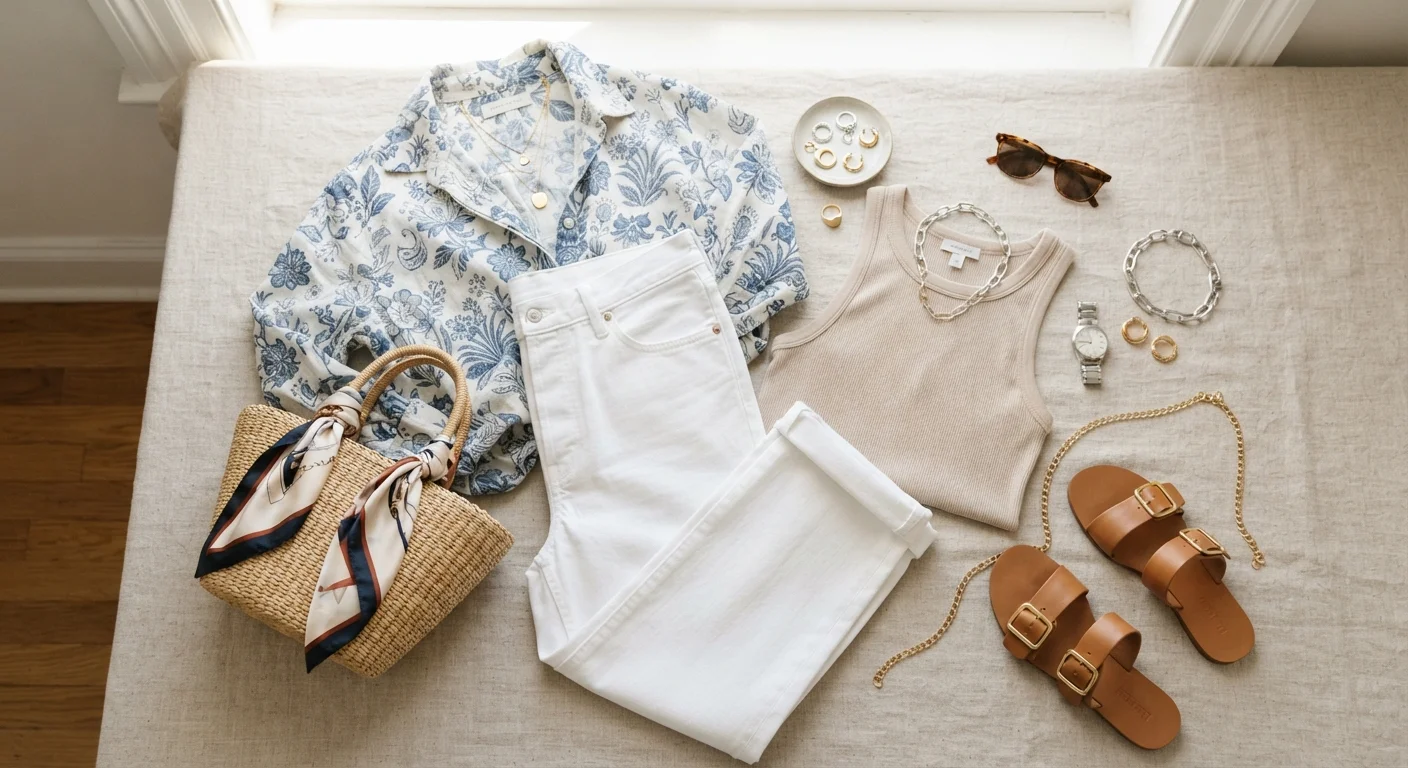
The same logic that unlocked mixing metals in interior design applies to accessories. Wearing a gold bracelet alongside a silver watch - or layering mixed-metal necklaces - has become a mainstream styling choice. The key is keeping the rest of the outfit relatively grounded so the mixed metals read as deliberate rather than accidental. If you're curious how this principle carries over to home decor, interior design myths examined covers similar territory.
Myth
You should never mix patterns - stripes with florals, checks with prints.
Fact
Mixing patterns works well when the prints share at least one color and vary in scale.
Pattern mixing looks chaotic only when patterns compete at the same visual scale and share no color relationship. A small-scale stripe paired with a larger floral in complementary tones can feel playful and pulled-together. The simplest approach: pick one dominant pattern and keep the second one smaller or more muted. Common ground in color is what ties the two together and makes the combination look considered rather than random.
Myth
Dressing for your body shape means hiding certain parts of your body.
Fact
Dressing for your body is about fit and proportion, not concealment - and many prescriptive rules are outdated.
Older body-shape frameworks were built on narrow ideals that don't reflect how most people actually look or want to feel. Prescriptions like "avoid horizontal stripes if you're curvy" or "wear A-line skirts to balance wide hips" carry implicit judgments about which body features need correcting. More useful guidance focuses on proportion and fit: clothes that sit well at your waist, shoulder, and hem will flatter regardless of the shape category assigned to you. For a deeper look at this, dressing for your body shape separates practical tips from the tired myths.
Myth
Black and navy should never be worn together.
Fact
Black and navy can work as a tonal combination when the pairing is intentional and consistent in finish.
The concern behind this rule is that a near-miss pairing - like black trousers with a very dark navy blazer - can look like an accidental mismatch rather than a deliberate choice. That's fair in certain lighting. But a clear, confident pairing of black and navy - say, a crisp navy shirt with black trousers and shoes - reads as sharp and modern. The difference is contrast and intentionality: make the pairing obvious enough that it registers as a choice, not an oversight.
The Rules That Actually Still Hold Up
Not every fashion guideline deserves to be tossed. A handful of principles hold up because they're grounded in something real - not class signaling or trend-chasing, but visual logic and practical function.
Fit Matters More Than Any Rule
No styling trick, color combination, or trend will compensate for clothes that don't fit your body. Before worrying about rules around color, pattern, or season, make sure the garment fits well across the shoulders, waist, and length. Tailoring even a few key pieces - a blazer, a pair of trousers - can make a significant visible difference without requiring an entirely new wardrobe.
Fit is the one rule worth keeping. Clothes that fit your actual body - not the size on a tag, not the shape a garment was designed for in the abstract - look better in almost every scenario. A well-fitted basic will outperform an ill-fitting statement piece every time. This is especially worth remembering when dressing for specific occasions. Our dress codes decoded guide can help you navigate what "well-dressed" actually means in different settings.
Occasion-appropriateness still matters. Context isn't about following rules for rules' sake - it's about reading a room. Wearing a sequined mini dress to a courthouse or hiking boots to a formal wedding isn't bold; it's a mismatch that can create friction in situations where you'd rather be at ease. The goal is to dress in a way that lets you move through your day confidently, not defensively.
Color harmony is worth understanding even if you don't follow it rigidly. You don't need a color theory degree - but a working sense of which tones play well together will consistently elevate your outfits. Color coordination made simple walks through the practical principles without overcomplicating them.
65%
Adults who say fit matters most in clothing
A survey by Cotton Incorporated's Lifestyle Monitor found that fit consistently ranks as the top purchase driver for American apparel shoppers.
3 in 4
Shoppers who regret impulse fashion buys
Research from YouGov has found that the majority of clothing regrets involve items that didn't fit well or suit the buyer's actual lifestyle.