

Key Takeaways
Start here
Why Minimal Works
Foundation
The Core Categories to Cover
Build out
Skin and Hair: What You Actually Need
Complete the picture
Oral Health and Body Basics
Next step
Building Your Kit Over Time
Why Minimal Works
More products don't automatically mean better results. A crowded bathroom shelf can actually make it harder to stay consistent - too many steps, too many decisions, and routines quietly fall apart. The minimal approach works because it removes friction. When your kit is small and purposeful, you actually use it.
This isn't about cutting corners on health. It's about identifying which habits move the needle and giving those your full attention. Just like a minimal wardrobe isn't about going without - it's about keeping what genuinely earns its place.
Start With One Week of Essentials Only
If you're not sure where to begin, try one week using only the absolute basics: a cleanser, moisturizer, SPF, toothbrush, toothpaste, floss, shampoo, and deodorant. Notice what feels missing versus what you genuinely don't need. That gap is your real kit.
The Core Categories to Cover
Effective personal care maps to a handful of distinct areas. Miss one consistently and you'll feel it - in comfort, confidence, or long-term health. Here's what a complete kit should address:
Broad-spectrum SPF
A sunscreen that protects against both UVA and UVB rays. 'Broad-spectrum' means it guards against the full range of sun damage, not just sunburn.
Scalp health
The condition of the skin on top of your head. A healthy scalp supports hair growth and prevents dryness, flaking, or irritation.
Fluoride toothpaste
Toothpaste containing fluoride, a mineral that strengthens tooth enamel and helps prevent cavities. It is the standard formulation recommended by dental health organizations.
Emollient moisturizer
A moisturizer that softens and smooths the skin by filling in gaps in the outer skin layer. It helps maintain the skin's natural barrier against moisture loss.
Deodorant vs. antiperspirant
Deodorant masks or neutralizes body odor, while antiperspirant also reduces sweating by temporarily blocking sweat ducts. Many products combine both functions.
Gentle cleanser
A face or body wash formulated to remove dirt and oil without stripping the skin's natural moisture. Suitable for everyday use on most skin types.
- Oral hygiene - daily brushing and flossing protect teeth and gums and affect overall health
- Skin care - cleansing, moisturizing, and sun protection for the face and body
- Hair care - keeping the scalp clean and hair manageable for your texture
- Body hygiene - cleansing, deodorant, and nail care
For a broader map of what personal care really covers, this comprehensive overview walks through each category in depth.
Skin and Hair: What You Actually Need
Skin care doesn't need to be complicated. A gentle cleanser suited to your skin type, a moisturizer, and a broad-spectrum SPF during daylight hours form a strong foundation. That's three products doing meaningful, evidence-backed work. If you're starting from scratch, building a skincare routine from scratch walks you through exactly this setup in beginner-friendly terms. Men's routines follow the same logic - skincare isn't optional for anyone.
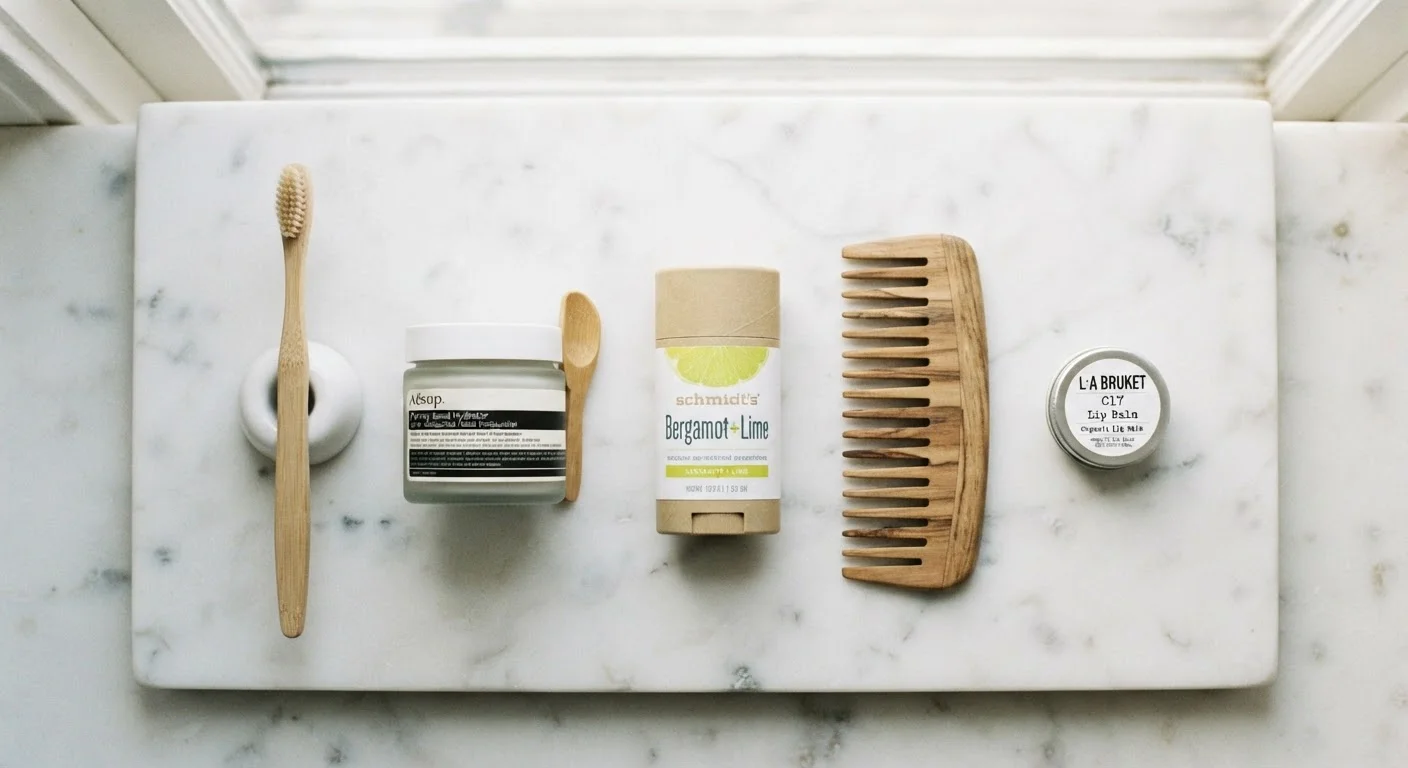
For hair, the minimal approach means a shampoo appropriate for your scalp and a conditioner if your hair length or texture calls for it. Washing frequency varies by hair type - daily washing suits some, while others benefit from less frequent cleansing to avoid stripping natural oils. A wide-tooth comb or detangling brush rounds out the hair section of most kits.
Hair Care Varies Significantly by Texture
Hair type - including curl pattern, porosity, and thickness - influences everything from how often you wash to what products support your hair best. What works for straight fine hair may not suit coarse or curly hair at all. There's no single right answer here, and experimenting within your hair type is part of building a routine that actually works for you.
Oral Health and Body Basics
Oral hygiene is one of the highest-return areas in any personal care routine. A fluoride toothpaste, a soft-bristled toothbrush, and floss - used consistently twice daily - cover the essentials that dental professionals consistently recommend. Don't overlook the toothbrush itself: most guidance suggests replacing it every three to four months or sooner if bristles fray.
Body hygiene basics include a bar or liquid cleanser, deodorant, and nail care tools. Keeping nails clean and trimmed is a commonly skipped step that makes a real difference - some of the most impactful personal care habits are the ones most adults never learned to prioritize.
Lip balm and a simple hand moisturizer are small additions that prevent discomfort, especially in dry or cold conditions - practical, not indulgent.
Building Your Kit Over Time
Once the foundation is solid, you can expand thoughtfully based on real needs rather than trend-driven impulse. Noticed dryness after a seasonal change? That's a reason to add something. Developing a specific skin concern? That's worth a conversation with a healthcare professional before adding new products.
It helps to audit what you're actually using every few weeks. The weekly self-care audit is a useful framework for spotting gaps without overcomplicating things. If you're also looking to round out your look beyond the basics, a minimal makeup bag follows the same philosophy - only what genuinely earns its place.
Your kit will naturally evolve. That's healthy. The goal isn't permanent minimalism for its own sake - it's a clear-eyed relationship with what you actually need to feel and function at your best.
This article provides general personal care information for educational purposes and is not a substitute for advice from a qualified healthcare professional. Consult a dermatologist, dentist, or doctor for concerns specific to your health.