

Key Takeaways
Roof Leak Escalation
Roof leak escalation is the process by which a small, seemingly minor breach in a roof's waterproofing system causes progressively worsening damage to the layers beneath it - including insulation, framing, drywall, and interior finishes. Because water travels along structural members before appearing visibly, the damage zone is almost always larger than the visible stain. What looks like a minor drip is rarely contained to a single point.
Water intrusion follows the path of least resistance through roof assemblies, migrating along rafters, sheathing, and insulation batts before pooling or dripping - meaning the interior stain may appear several feet from the actual breach.
Why Water Doesn't Stay Where It Enters
When rain finds a gap in roofing material - a cracked shingle, a failed flashing joint, a compromised seal around a vent pipe - it doesn't simply drip straight down. Water follows gravity and surface tension, traveling along rafters, sheathing, and insulation before it ever appears as a ceiling stain. By the time you see discoloration indoors, the leak has likely been active for some time and the wet zone is considerably larger than it appears.
This hidden travel path is what makes small roof leaks deceptively damaging. Homeowners often assume the stain marks the leak's location and scope. In reality, it marks where water eventually ran out of somewhere to go. The structural damage above that stain may span several square feet - or more.
Leak Location vs. Damage Location
The spot where water enters the roof - the actual breach - is often not directly above where a ceiling stain appears. Water travels along rafters and sheathing before dripping down, sometimes migrating several feet horizontally. This means interior stains alone cannot reliably pinpoint the leak source; a professional inspection from above is needed to identify the true entry point.
See our guide to spotting water damage before it spreads to learn how to read the signs of hidden moisture intrusion throughout your home.
The Damage Chain: From Shingles to Structural Framing
Roof leaks damage homes in a predictable sequence - one layer at a time. Understanding that chain helps clarify why even modest leaks carry serious consequences if left unaddressed.
24-48 hrs
Time for mold to begin growing on wet materials
According to the U.S. Environmental Protection Agency, mold can begin to grow on damp building materials within 24 to 48 hours under suitable temperature conditions.
~40%
Of home insurance claims involve water damage
Industry analyses have consistently found water damage and freezing to be among the most frequent categories of homeowner insurance claims, accounting for a substantial share of total claims volume.
R-value: 0
Effective insulation performance when saturated
Wet fiberglass and cellulose insulation loses essentially all of its thermal resistance when saturated, and often cannot be restored to original performance by drying alone.
- Roofing material and underlayment: The first layer to fail. Once shingles crack or curl, the synthetic or felt underlayment beneath absorbs moisture and eventually loses its waterproofing function.
- Sheathing (roof decking): Plywood or OSB sheathing softens and delaminates when repeatedly wet. Soft spots on a roof are a sign this layer is already compromised.
- Insulation: Fiberglass batts or blown cellulose saturated with water lose their thermal resistance - sometimes permanently. Wet insulation also becomes a medium for mold growth. As noted in our article on common insulation mistakes, moisture damage is one of the most underestimated insulation problems homeowners face.
- Rafters and structural framing: Prolonged moisture exposure causes wood rot, which compromises the structural integrity of the roof assembly itself. This is where repairs shift from maintenance-level costs to major renovation territory.
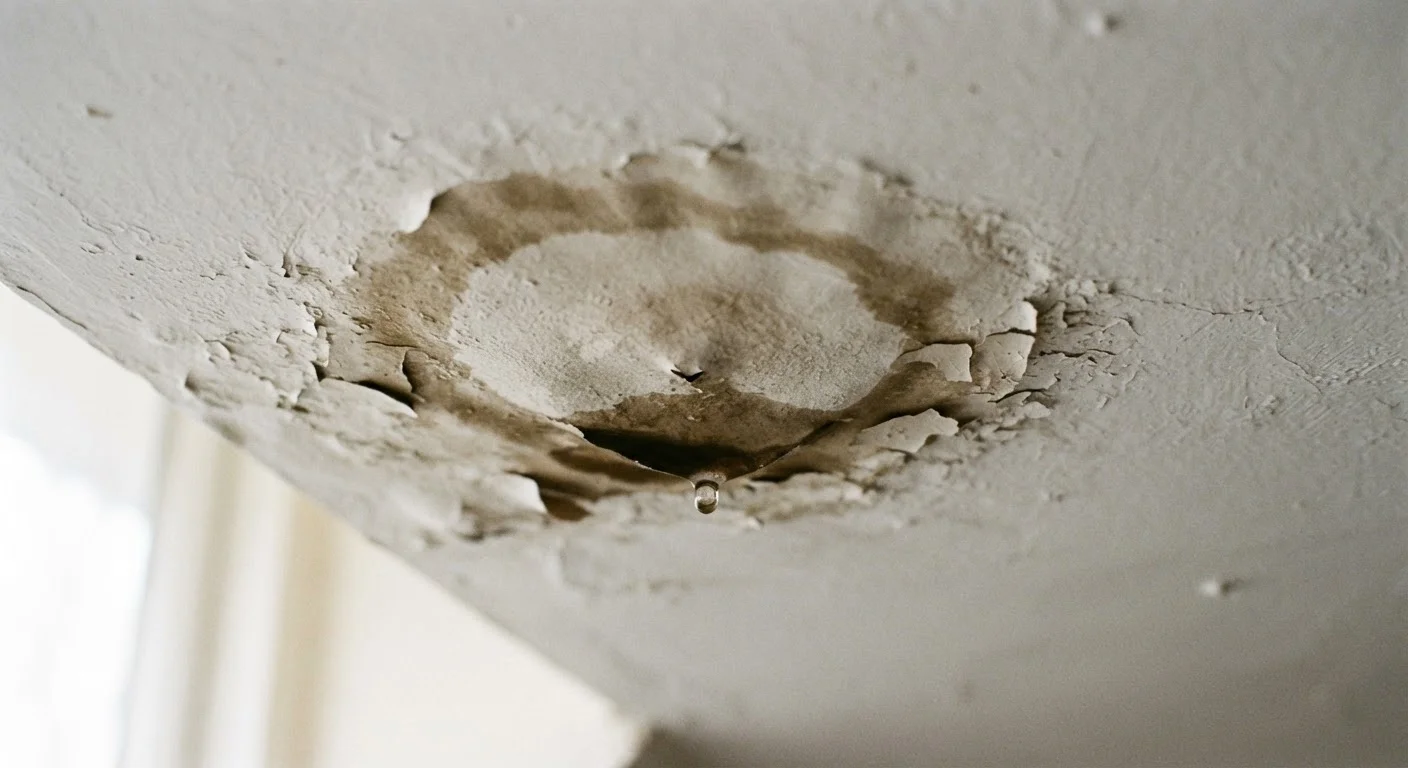
- Interior finishes: Drywall wicks moisture readily, softening and eventually crumbling. Paint peels, ceilings sag, and if mold establishes itself, remediation adds another cost layer entirely.
This escalation is why the real cost of deferred home maintenance is rarely just the repair bill - it's the compounded damage that accumulates while the problem waits.
Mold: The Hidden Accelerant
Of all the consequences of a roof leak, mold growth is among the fastest to develop and the costliest to remediate. Common mold species can begin colonizing wet framing, insulation, and drywall within 24 to 48 hours of sustained moisture exposure under the right temperature conditions. Attic spaces - typically warm, dark, and poorly ventilated - are particularly hospitable environments.
Mold remediation in an attic can involve removing and replacing insulation, treating or replacing framing, and improving ventilation - all in addition to fixing the original leak. A leak that might have cost a few hundred dollars to patch early can require thousands of dollars in remediation if mold becomes established. A musty odor in an upper room or attic is a signal worth taking seriously before visible mold appears.
Schedule a Visual Attic Check Each Fall
Before winter weather arrives, take a few minutes to inspect your attic with a flashlight - look for stained or wet sheathing, compressed or discolored insulation, and any daylight visible through the roof deck. These checks take less than 15 minutes and can catch developing leaks before they reach your living space. If you spot anything concerning, contact a licensed roofing professional rather than attempting roof access yourself.
Early Warning Signs Worth Acting On
Catching a roof leak early enough to limit the damage chain requires knowing what to look for - both inside and outside the home.
- Ceiling or wall discoloration: Yellow-brown rings or spreading stains, especially after rain, indicate active or recent water intrusion.
- Granules in gutters: Asphalt shingles shed ceramic granules as they age; heavy accumulation in gutters signals shingle deterioration that can lead to leaks. Our gutter inspection guide covers how to spot these warning signs during routine cleaning.
- Flashing gaps or rust: Metal flashing around chimneys, skylights, and vents is a common leak entry point. Visible gaps, rust, or separation from the roofline are red flags.
- Attic daylight or moisture: A flashlight inspection of the attic after rainfall can reveal wet insulation, stained sheathing, or even visible light through the roof deck.
- Sagging ceiling sections: A ceiling that appears to bow or sag is holding water and at risk of failing - treat this as urgent.
Routine inspections each fall and after major storms are the most reliable way to catch problems before the damage chain begins. If you suspect a leak, consult a licensed roofing professional - working on a roof carries real fall hazards and the assessment is best left to someone equipped to do it safely.
This article is for general informational purposes only. Roof and structural assessments should be performed by a qualified, licensed professional. Always verify local building codes and permit requirements before undertaking any roofing or structural work.